Some links on this page are affiliate links. If you buy through one, I may earn a small commission at no extra cost to you. Nothing here is sponsored and no brand paid to be included.
You wake up stuffy. Your eyes itch before you have had coffee. You sneeze through the first hour of the day and feel fine by lunch. You assume you are run down, or getting a cold that never quite arrives.
If that pattern sounds familiar, look at your bed. Dust mites are one of the most common indoor allergy triggers, and the bed is where they live. The good news is that the fix is mostly physical. You change the room, in the right order, and the room stops working against you.
It is also cheaper than you think. One of the most effective steps costs less than $100, and it can save you from replacing your mattress years before you need to.
What a dust mite allergy actually is
Dust mites are microscopic relatives of spiders. They eat the skin flakes we shed and they thrive in warm, humid places. Most people are not reacting to the mites themselves. They are reacting to proteins in mite waste and body fragments, which collect in fabric and get stirred into the air when you move.
That detail explains almost everything about how to treat it. The allergen is heavy. It does not float around the room for hours. It sits in your mattress, pillows, bedding, carpet and upholstered furniture, and it reaches you when you lie down or shake out a blanket.
Dust mite allergy symptoms
- Stuffy or runny nose, often worse in the morning
- Sneezing, especially when making the bed
- Itchy, watery or puffy eyes
- Postnasal drip and throat clearing
- Cough or wheezing in people with asthma
- Itchy skin or eczema flares in some people
- Poor sleep, and the daytime tiredness that follows it
These symptoms overlap with colds, pollen allergy and other conditions. A pattern that lasts year-round and peaks in bed is a clue, not a diagnosis. An allergist can confirm it with a skin test or blood test.
Why it's worse at night and in the morning
You spend seven or eight hours a night with your face against the place mites are most concentrated. Pillows and mattresses hold warmth and moisture from your body, which is exactly what mites need. If your symptoms are worst at bedtime or on waking, the bed is the first place to look.
The allergist's bedroom checklist
Do these in order. The first three do most of the work. The rest add to them.
1. Encase the mattress and pillows
Put zippered, allergen-proof covers on the mattress, box spring and pillows. A sealed encasement puts a barrier between you and the reservoir. A regular padded mattress protector is not the same thing, even if it is labeled hypoallergenic. If allergy is the reason you are buying, look for a full zippered encasement.
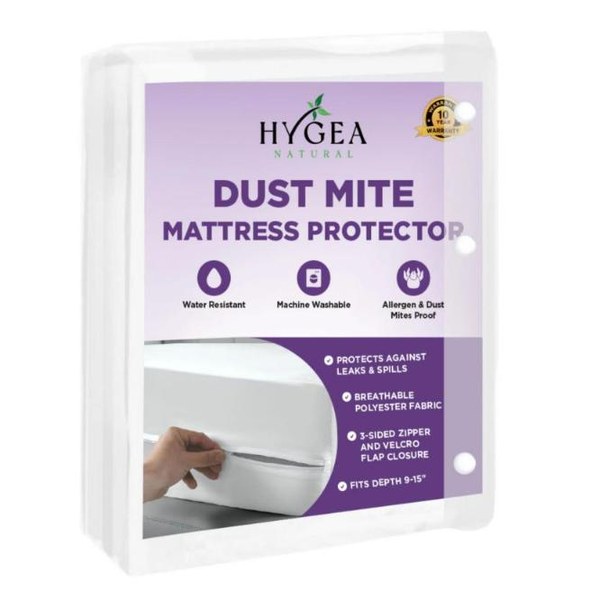
Hygea Natural
Dust Mite & Allergen Mattress Protector
A zippered encasement. For anyone with a dust mite allergy, this is the highest-value item on the list.
Shop the encasement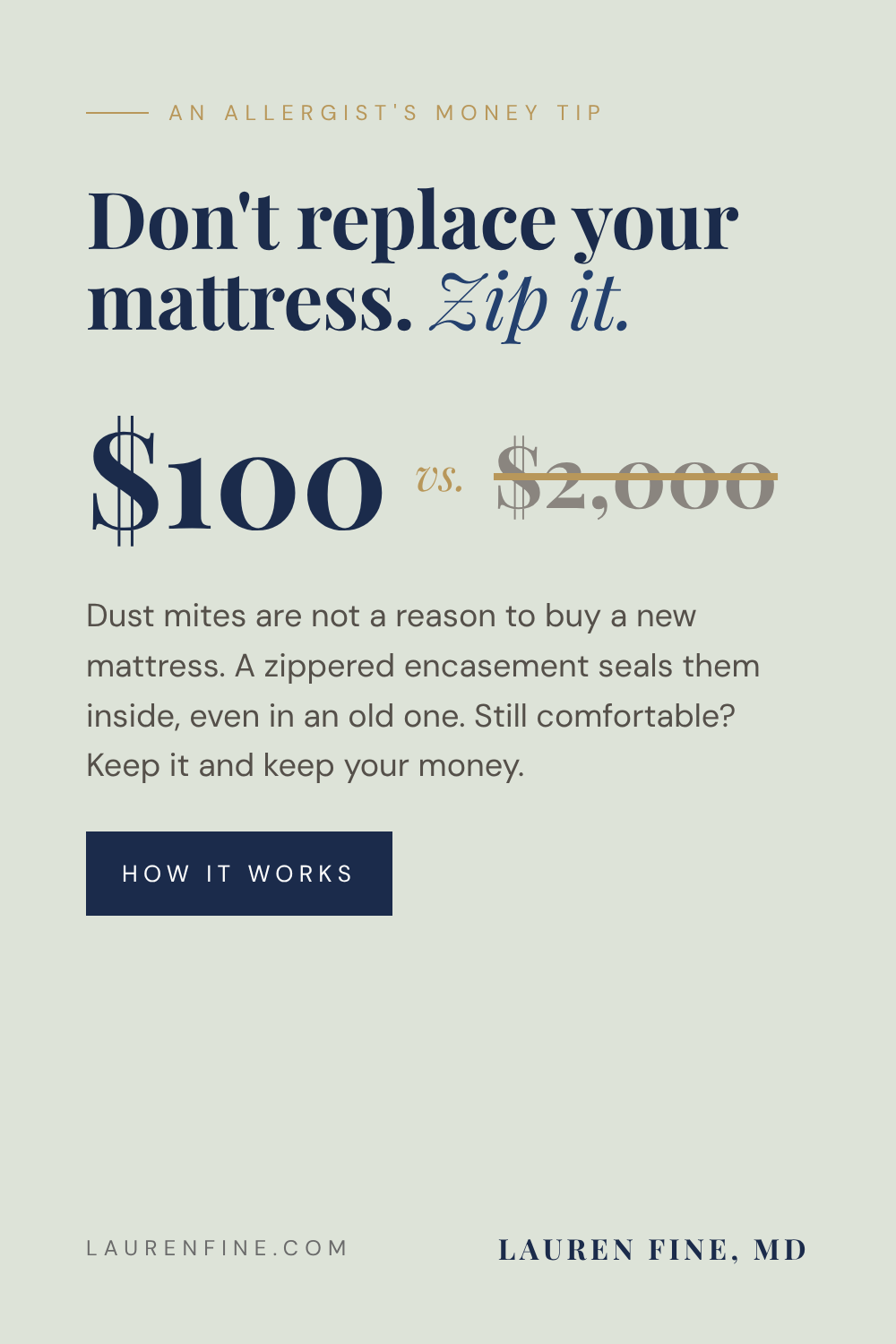
2. Wash bedding hot, every week
Wash sheets, pillowcases and blanket covers weekly in water that is at least 130 degrees Fahrenheit. Hot water kills mites and washes away the allergen. If your fabric can't take that heat, tumble it in a dryer hotter than 130 degrees for at least 15 minutes. Choose bedding you can actually wash that often. A beautiful duvet that needs the dry cleaner will not get cleaned.

Boll & Branch
Percale Hemmed Sheet Set
Crisp, breathable and made to go through the wash every week. Breathability matters if you sleep hot.
Shop the sheets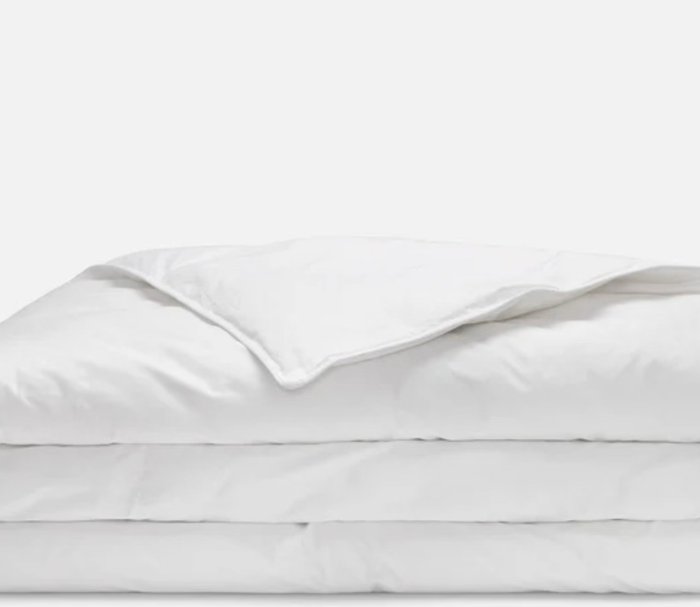
Brooklinen
Down Alternative Comforter
Fully machine washable, so it gets washed a few times a year instead of never.
Shop the comforter3. Keep humidity under 50 percent
Dust mites do not drink water. They absorb moisture from the air. Keep indoor humidity below 50 percent and they struggle to survive. In a humid climate like South Florida, this is the step that decides whether the rest of the list works. A simple humidity monitor tells you where you stand. A dehumidifier is how you move the number.
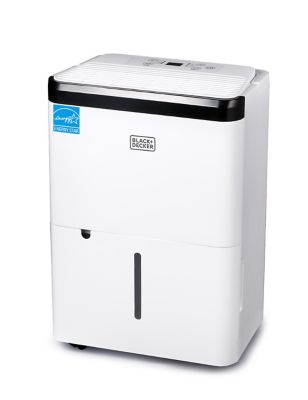
Black+Decker
Dehumidifier for Home and Bedroom
In a humid climate, this is the difference between the rest of the list working and not.
Shop the dehumidifier
4. Vacuum with a sealed HEPA system
Vacuuming removes surface dust, not most of the mites deep in fabric. That is why it comes after the first three steps. A vacuum without a sealed HEPA filter pulls allergen off the floor and blows the fine part back into the air. Use a HEPA vacuum and vacuum weekly. If your allergy is severe, let someone else do it, and stay out of the room for about two hours afterward.
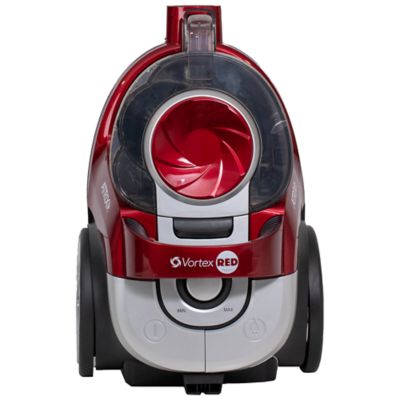
Atrix
Vortex Bagless HEPA Canister Vacuum
A sealed HEPA system, so what you vacuum up stays in the canister.
Shop the vacuum5. Cut down what collects dust
- Choose hard floors over wall-to-wall carpet in the bedroom when you can.
- Keep upholstered furniture, throw pillows and extra blankets to a minimum.
- Wash stuffed animals in hot water, or keep them out of the bed.
- Swap heavy curtains for washable ones or blinds you can wipe.
- Dust with a damp cloth so the allergen sticks instead of flying.
- If you have central air, use a MERV 11 or 12 filter and change it every three months.
What doesn't work well on its own
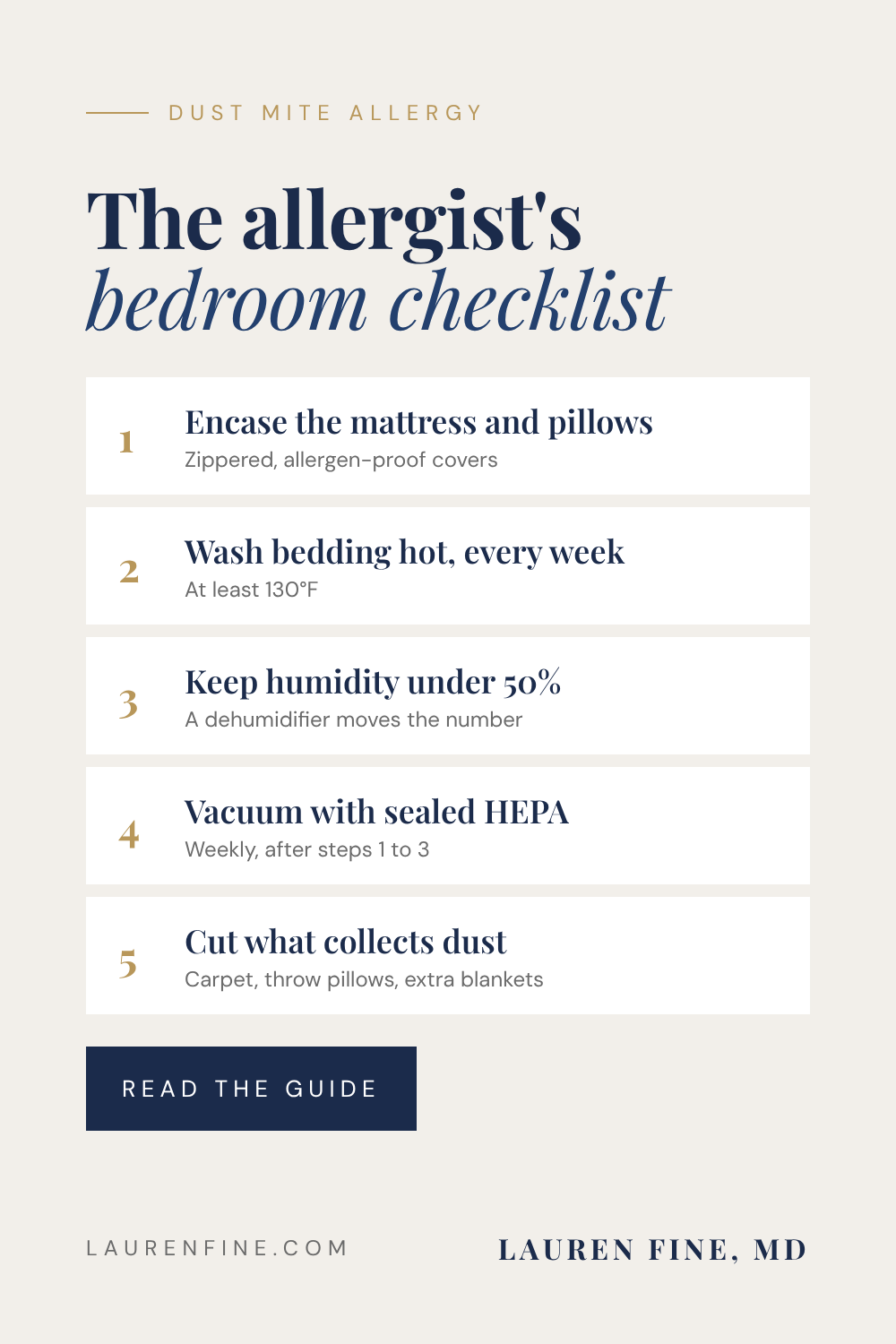
An air purifier. Mite allergen rides on heavier particles that settle out of the air within minutes. An air purifier does far less for dust mites than for pet dander or pollen. If you also react to those, a true HEPA unit in the bedroom is worth having. It is not a substitute for the steps above.
One change by itself. Studies that tested single measures, like covers alone, found little benefit. The checklist works as a set. Encasements, hot washing and low humidity together are what lower your exposure.
Sprays and powders. Products that promise to kill mites on contact are not a replacement for washing and humidity control.
The mattress myth: a $100 cover vs. a new mattress every 8 years
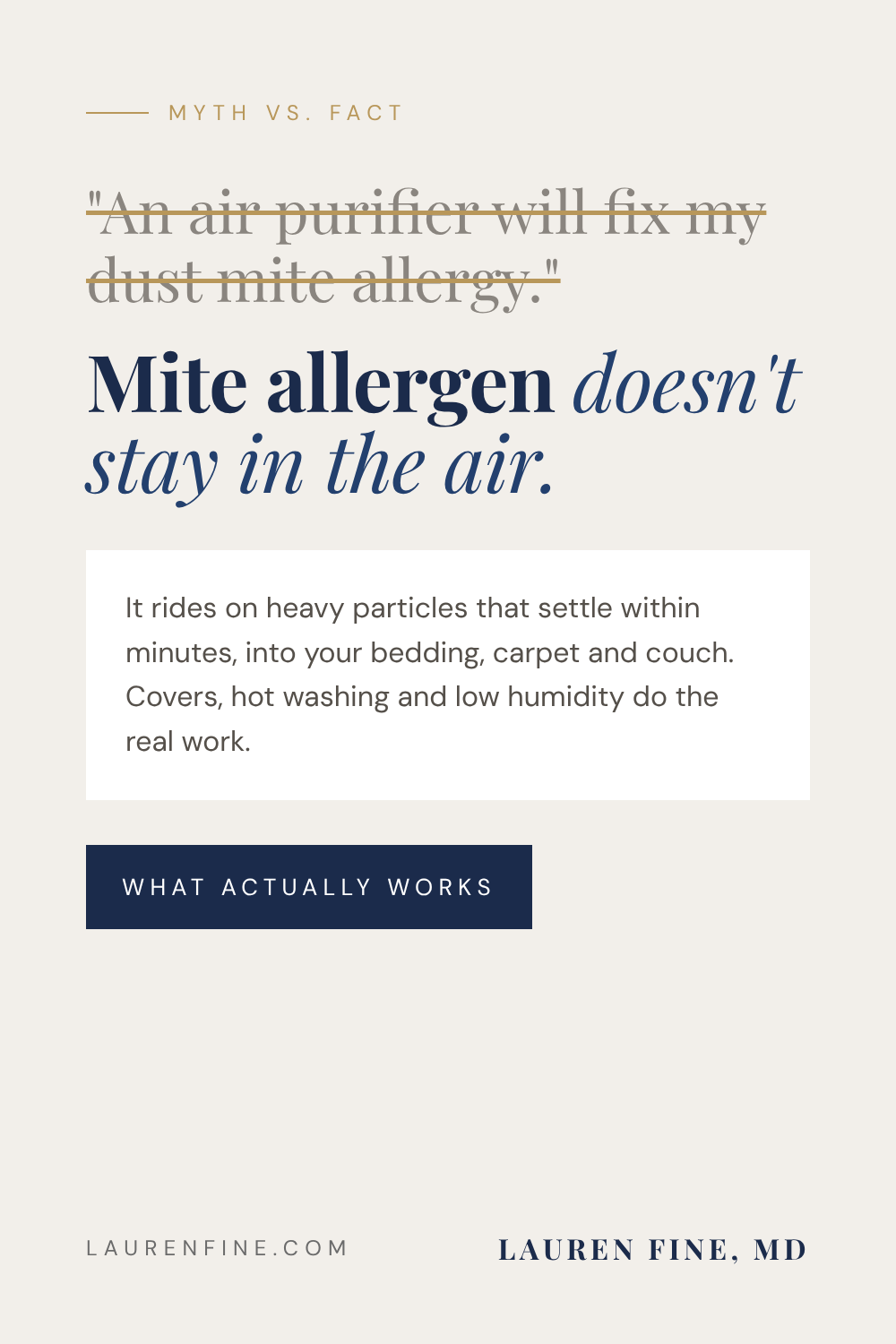
You have probably seen the ads. Replace your mattress every 7 to 10 years, they say, because it fills up with dust mites, skin cells and allergens. That rule has been promoted for years by the mattress industry's own trade group. It sells a lot of mattresses.
For dust mites, there is a much cheaper answer. Cover the mattress with a zippered encasement. A good one often costs less than $100.
Zippered, not fitted
The word that matters is zippered. A fitted cover goes on like a sheet and leaves the bottom and sides open. A zippered encasement closes the mattress in on all six sides. That keeps new dust mites out, and it keeps bed bugs out too.
It works on an old mattress too
The mites and allergen already inside your mattress are sealed in. They can't reach you, so they can't aggravate your allergies. Once your mattress is encased, dust mites are not a reason to replace it, no matter how old it is.
What the 8-year rule really costs you
Divide the price of your mattress by eight. That is what the replacement habit costs you every year.
| Mattress price | Cost per year on an 8-year cycle | Zippered encasement |
|---|---|---|
| $1,000 | $125 a year | Often under $100, once |
| $2,000 | $250 a year | Often under $100, once |
| $4,000 | $500 a year | Often under $100, once |
Keep a comfortable mattress years longer and you save hundreds of dollars a year. Skip even one early replacement and you keep the full price of a new mattress in your pocket. On a high-end bed, that is thousands of dollars.

Replace your mattress when it sags, hurts your back or wakes you up. Not because an ad set a timer.
Hygea Natural
Dust Mite & Allergen Mattress Protector
The zippered encasement I recommend. It seals all six sides of the mattress.
Shop the encasement
Dust mite allergy treatment
Changing the bedroom lowers your exposure. Medication treats the symptoms while those changes take effect. Common options include antihistamines and steroid nasal sprays, and some are available over the counter. Ask your doctor or pharmacist which is right for you, especially if you have asthma, are pregnant or take other medicines.
If symptoms continue, see an allergist. Testing confirms whether dust mites are the trigger. For the right person, allergen immunotherapy can reduce the allergy itself over time. It comes as allergy shots or as an FDA-approved tablet that dissolves under the tongue.
Make room
When you feel tired and foggy every morning, it is easy to decide you need more discipline. Sometimes you need a different bedroom. Start with the three steps that matter most. Encase the bed, and skip the expensive new mattress. Wash it hot every week. Get the humidity under 50 percent. Give it a few weeks before you judge the result.
For more on building small habits that last, read how to make time for healthy habits when your life is already full. You can find everything I recommend for an allergy-friendly bedroom on my recommendations page.
This article is general information, not medical advice. It does not replace an evaluation by your own doctor. If you have trouble breathing, wheezing that does not improve, or asthma symptoms that are getting worse, seek medical care.
Frequently asked questions
Why is my dust mite allergy worse at night and in the morning?
Your bed is where dust mites live in the highest numbers, and you spend seven or eight hours with your face against it. Symptoms that peak at bedtime or on waking point to the bed first.
What is the fastest way to get dust mite allergy relief?
Put zippered allergen-proof covers on the mattress and pillows, wash bedding weekly in water at least 130 degrees Fahrenheit, and keep indoor humidity under 50 percent. Medication can treat symptoms while those changes take effect.
Does an air purifier help a dust mite allergy?
Not much on its own. Dust mite allergen rides on heavier particles that settle out of the air within minutes, so it stays in bedding, carpet and upholstery. An air purifier helps more with pet dander and pollen.
Can a dust mite allergy make you tired?
It can. Nasal congestion at night disrupts sleep, and poor sleep shows up as daytime fatigue. Treating the congestion and the bedroom often improves both.
Do I need to replace my mattress every 8 to 10 years because of dust mites?
Not if it is in a zippered encasement. A zippered cover, often under $100, seals the mattress on all six sides. Mites already inside are trapped, and new dust mites and bed bugs stay out. If the mattress is still comfortable and supportive, dust mites are not a reason to replace it. That can save hundreds of dollars a year.
Can a dust mite allergy be cured?
Allergen immunotherapy, given as allergy shots or as an FDA-approved tablet under the tongue, can reduce sensitivity over time. An allergist can confirm the allergy with testing and tell you whether you are a candidate.
Sources: Mayo Clinic, American Lung Association, Harvard Health Publishing.