Lauren Fine's Edit
I got tired of having a drawer for everything and a system for nothing. So I started keeping fewer things, and only the ones that actually earn a place.
This is that list, in the order I'd actually change it. It starts with the small stuff that makes a home feel calmer, and ends with what I reach for on a Tuesday. Nothing here is about doing more. It's about needing less, and feeling better in what's left.
Start here
Estrogen does more for skin than most people realize. It regulates collagen production, holds onto water, and keeps the barrier that protects you from irritants intact. When estrogen starts declining in perimenopause, all three of those jobs get harder. Research puts the number at roughly 30 percent of skin collagen lost in the first five years after menopause, with continued loss of about one to two percent a year after that. That shows up as thinner skin, less bounce, more visible lines, and skin that feels drier no matter how much you moisturize.
You cannot stop estrogen from declining. What you can do is reduce the damage stacking on top of it, protect the collagen you still have, and replace some of what skin can no longer hold onto itself. That is what these three ingredients do, and it is why I keep coming back to the same three every time someone asks me where to start.
Step one
Here is the part that surprises people: UV exposure does not just cause new damage, it accelerates the same collagen breakdown that declining estrogen already started. UV light activates enzymes called matrix metalloproteinases that break down collagen faster than it can rebuild, and that process runs on top of, not separate from, what perimenopause is already doing. Skipping sunscreen during this decade costs you more than it did in your twenties. Wear it daily, rain or shine, and reapply if you're outside for more than two hours.
Moisturizer + SPF in one
Hydration and broad spectrum protection in a single step, which removes the excuse. Sheer enough to go under makeup without pilling.
Shop the SPF 28
Studied for rosacea and post-procedure skin
The formula dermatologists send patients home with after in-office procedures, when skin is at its most reactive. Contains niacinamide, which calms redness while it protects, and it has a long track record specifically in rosacea-prone and post-procedure skin.
Shop EltaMD UV Clear
National Eczema Association accepted
This one carries the NEA Seal of Acceptance, a formal panel review by board-certified dermatologists and allergists confirming it avoids the ingredients on their known-allergen list. It is also 100 percent mineral, zinc oxide and titanium dioxide only, no chemical filters. I routinely recommend Cetaphil to my patients with sensitive skin, this is the one I point them to.
Shop Cetaphil Mineral SPF
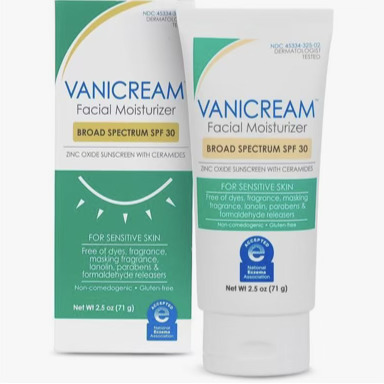
#1 dermatologist recommended for sensitive skin
Free of dyes, fragrance, lanolin, parabens and formaldehyde releasers, the specific ingredients most often flagged in patch testing. Vanicream is the most cited "low allergen" brand in allergy and dermatology literature, not just marketing language, and it is another one I routinely recommend to patients with sensitive skin.
Shop Vanicream SPFStep two
Your skin makes its own hyaluronic acid, and estrogen helps regulate how much. As estrogen drops, so does your skin's natural water-holding capacity, which is a big part of why skin that used to bounce back now feels tight and looks dull. Topical hyaluronic acid cannot restore estrogen, but it can pull water into skin and hold it there, directly compensating for what your skin is now producing less of on its own. Apply it to damp skin, then seal it with a moisturizer so the water it pulls in does not evaporate straight back out.

The workhorse
A gel cream that keeps working long past the moment you apply it. Use it morning and night without thinking about it.
Shop the hydratorThe one built for mature skin
A higher concentration formula built specifically to address the loss of firmness and volume that comes with age-related decline in skin's own hyaluronic acid. This is the one to reach for if the lighter options stop feeling like enough.
[ADD SHOPMY LINK] Shop H.A. Intensifier
Ceramides + HA, developed with dermatologists
Fragrance-free and non-comedogenic, formulated with three essential ceramides alongside hyaluronic acid so it hydrates and helps rebuild the barrier at the same time. Hydrated skin plumps out fine lines, so this is one of the fastest visible changes on this whole page.
Shop CeraVe HA Serum
#1 dermatologist recommended for sensitive skin
Free of gluten, fragrance, dyes, lanolin, parabens and formaldehyde releasers. If your skin reacts to almost everything, this is the one built with the fewest ingredients that could possibly be the problem, and the hyaluronic acid still does the same job of hydrating skin enough to soften the appearance of fine lines.
Shop Vanicream HA MoisturizerStep three
Sunscreen prevents damage and hyaluronic acid replaces lost water, but neither one tells skin to make more collagen. Retinol does. It is the topical ingredient with the most consistent clinical evidence for stimulating new collagen synthesis, which is exactly the process perimenopause slows down. It also increases sun sensitivity while you use it, which is why sunscreen above is non-negotiable alongside it, not optional. Start two to three nights a week, and give it eight to twelve weeks before judging whether it is working, that is roughly how long visible collagen changes take to show up.

Where to start
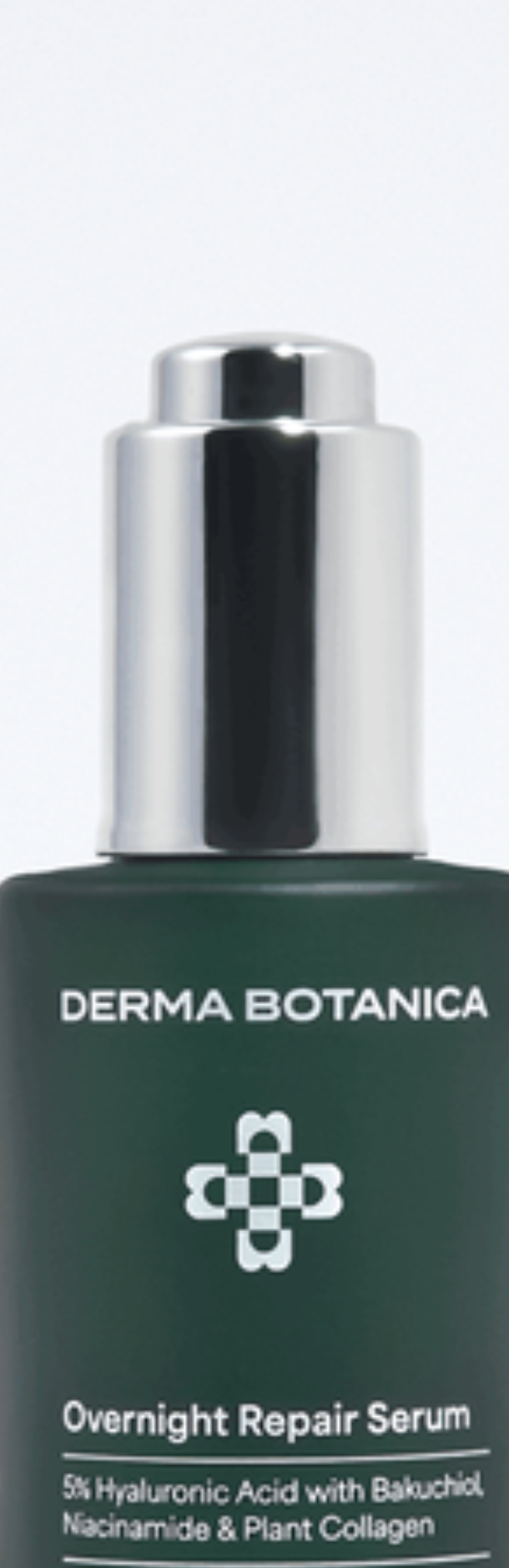
The formula I actually use. Two nights a week to start, building up only as skin tolerates it.
Shop the retinolHighest strength here
A dermatologist top pick for skin that has already built up tolerance to retinol and is ready for a higher concentration. Not the place to start if this is your first retinol.
[ADD SHOPMY LINK] Shop Retinol 1.0
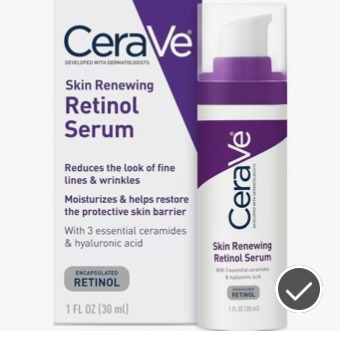
Encapsulated, developed with dermatologists
Fragrance-free with encapsulated retinol technology, which slow-releases the active over time instead of delivering it all at once. Paired with niacinamide and ceramides to reduce the redness and flaking that stops most people from sticking with retinol at all, retinol is what actually helps rebuild the collagen lost to age and UV damage, not just hydrate the surface.
Shop CeraVe Retinol Serum
If you have never used retinol
Retinol paired with niacinamide (vitamin B3), which calms irritation while the retinol works. A French pharmacy brand widely used and studied for sensitive and reactive skin, and a gentler place to start than a straight retinol, while still doing what retinol is actually for: helping rebuild collagen lost to age and UV damage.
Shop Retinol B3 SerumStart here
Hypoallergenic
Not regulated
There is no standard behind it and no test a product has to pass. The FDA says plainly that no federal standards or definitions govern the word. It is the term people trust most and the one that tells you least.
Unscented
Often misleading
A product can be unscented and still contain fragrance, added specifically to mask the smell of the other ingredients. If you react to fragrance, this word does not protect you.
Fragrance free
Checkable
It means none was added, and you can confirm it on the ingredient list. This is the term dermatologists tell patients to look for. Together with "allergy tested," it is what I look for too.
A note on how to use this. Nothing here treats a condition. If your skin is genuinely inflamed, or you have eczema or hives that are not controlled, that is a conversation with your own physician, not a shopping list.
What this list does is reduce what your skin has to deal with and give it what it needs less of as estrogen declines: protection, water, and a reason to keep making collagen. Change one thing at a time. If everything changes at once and your skin improves, you have learned nothing about which change mattered.
The testing
You will notice one brand appears on this page more than any other, so it is fair to ask why. The answer is not loyalty and nothing here is sponsored. It is that I can describe what their testing involves, and for most of what sits next to it on the shelf I cannot. Here is the part worth understanding, including the limits.
01
The FDA is unusually blunt about this. There are no federal standards or definitions governing the term, the agency says, and it "means whatever a particular company wants it to mean." No manufacturer has to submit any substantiation to use it.
The FDA did try. A 1975 regulation would have required comparative testing before a product could carry the word. Two cosmetics companies sued and the D.C. Circuit struck the rule down in 1977. One of those companies was Clinique. I would rather tell you that myself than have you find it somewhere else.
What filled the vacuum is measurable. When researchers analyzed skin care products marketed as hypoallergenic in the United States, 89 percent contained at least one known contact allergen.
02
The protocol behind the phrase "allergy tested" is usually the Human Repeated Insult Patch Test. It runs on roughly 100 to 200 volunteers. Nine occluded patches go on the upper back across three weeks. Then a two week rest. Then a fresh challenge patch on skin that has never seen the product, read over the following days.
The design is deliberate and it is not asking whether the product stings. It is asking a harder question: whether repeated forced exposure can teach an immune system to react to something it previously ignored. That is what sensitization is, and it is permanent once it happens.
03
A panel of about 100 people cannot detect a sensitization rate below roughly one percent. Nine occluded exposures are nothing like how anyone actually uses a moisturizer. And in the words of the toxicologist reviewing the method, a negative result "does not mean that sensitization will not occur in the exposed population."
So allergy tested is not a promise. It is a screen that catches strong sensitizers before a product ships. That is worth a great deal. It is not the same thing as safe for everyone, and any brand telling you otherwise is overselling.
04
Under US labeling law an entire fragrance mixture can appear on an ingredient list as one word: "Fragrance." Those formulas are protected as trade secrets. So on a scented product, the ingredient list genuinely cannot tell you what you are putting on your face.
That matters because fragrance chemicals are among the most common contact allergens found in clinic. In the most recent North American Contact Dermatitis Group series, 3,056 patients were patch tested. Hydroperoxides of linalool, an oxidized fragrance ingredient, were positive in 10.1 percent of them.
Removing fragrance removes an entire category you have no way to audit. On this whole page, that is the single highest yield decision.
05
Clinique states that every product is allergy tested and 100 percent fragrance free, across skincare and makeup, and free from parabens and phthalates. They describe testing at every stage of development, including the Repeated Insult Patch Test, stability, sensory, clinical, ophthalmologist and safety in use testing, and put the running total at "nearly 6 million test applications to date." The brand was built in 1968 around dermatologist Norman Orentreich's premise that what is left out of a formula matters as much as what goes in. Eye products are additionally ophthalmologist tested and formulated for contact lens wearers.
Those are the company's claims about itself. They are not an independent certification, because no such certification exists, which is the whole problem this page is about. What I can say is that the claims are specific rather than atmospheric, and that they apply to the entire line instead of one hero product. Specific claims are falsifiable. "Gentle" and "for sensitive skin" are not.
One clarification while we are being precise. Clinique funds a dermatology research center at Icahn Mount Sinai. That is philanthropic research funding, not a hospital testing or endorsing products, and it should not be read as one.
None of this replaces patch testing. If your skin is reacting and you do not know to what, that is a diagnosis worth getting, and no ingredient list substitutes for it. What a fragrance free, allergy tested line does is reduce the number of variables you are carrying before you start. The longer version of why I trust this brand is here.
What I wear to work from home
Working from home is still working. The pieces below hold up through a long stretch at a desk, a video call that gets scheduled with no notice, and whatever the day turns into after that. Soft enough to sit in for hours. Put-together enough that you do not have to change before the camera comes on.
Where these came from: my sister introduced me to Varley, Eberjey, Lake and Boll & Branch. She writes about French-inspired living, travel and style at Everyday Parisian.
Some links in this section are affiliate links. If you buy through one I may earn a small commission at no extra cost to you. Nothing here is sponsored and no brand paid to be included.

The one on camera
Porcelain blue, in their DoubleSoft knit. A collar reads as dressed on a video call, and a half zip lets you open it the second the call ends.
Shop it
The desk pant
Pristine. Soft enough to sit in all day, long and clean enough through the leg that they do not read as sweatpants when you stand up to answer the door.
Shop it
The throw-on layer
Pristine. The piece that goes over whatever you already have on when the house gets cold or someone turns their camera on unannounced.
Shop it
The warm-day top
Ivory marl. Sweatshirt weight with short sleeves, which is the right answer for a Florida desk day with the air conditioning fighting the window.
Shop it
The short, shorter
Pristine. High rise, so it stays put through a day of sitting. Pairs with any of the tops above without looking like gym kit.
Shop it
The short, longer
Light grey marl. One inch longer than the Coulter, which is the difference between shorts you wear at your desk and shorts you will also walk the dog in.
Shop it
The short set
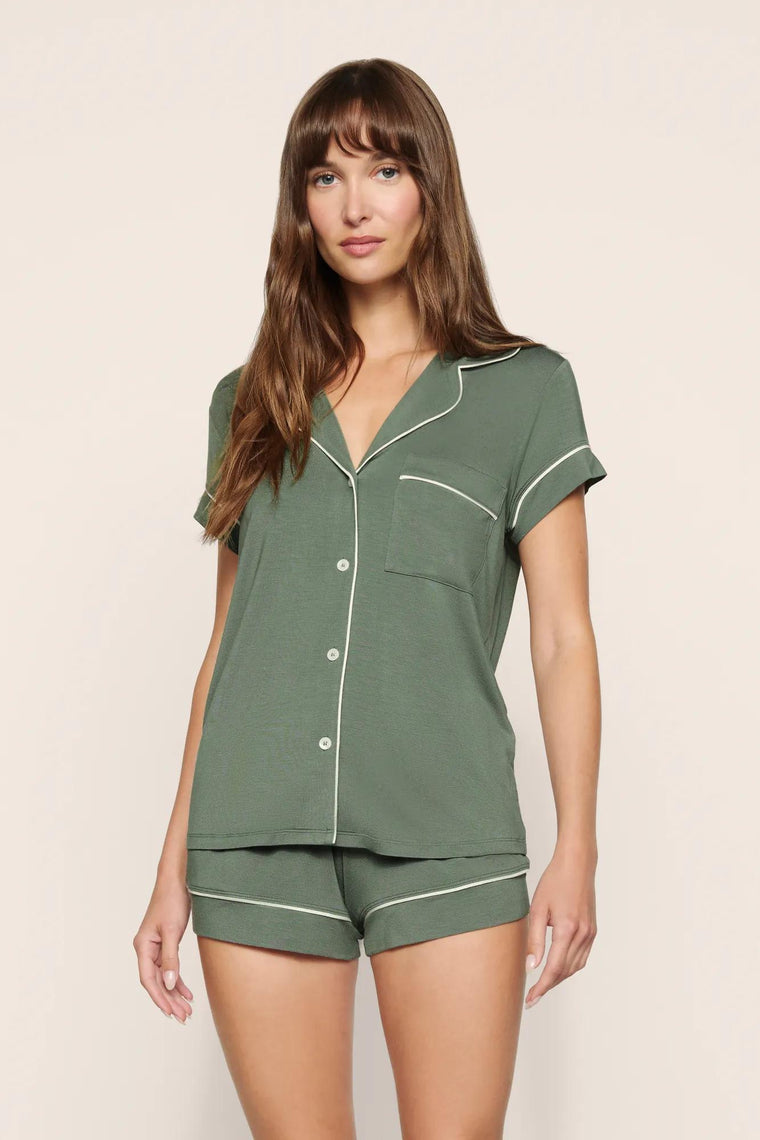
Desert sage and ivory, in TENCEL modal. The set that survives a hot night and still looks like something you would answer the door in.
Shop it
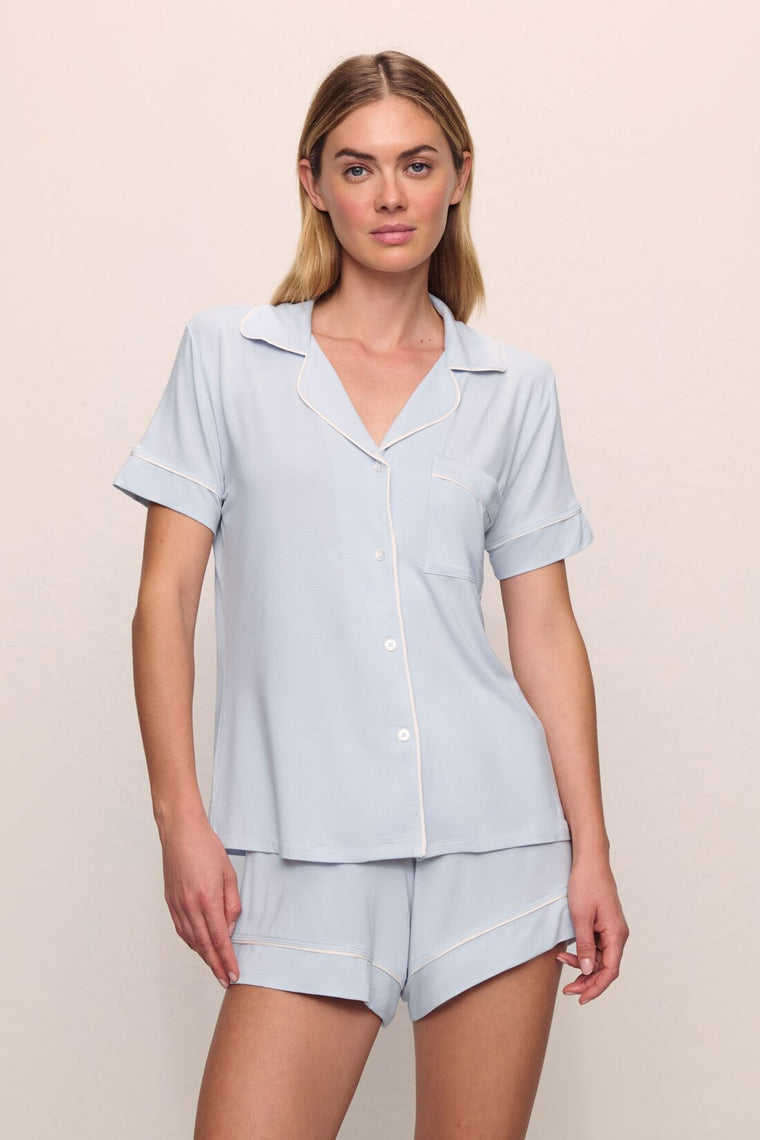
The relaxed short set
Ice blue and ivory. Same fabric, easier cut through the body if you do not want anything close to you while you sleep.
Shop it
The long set
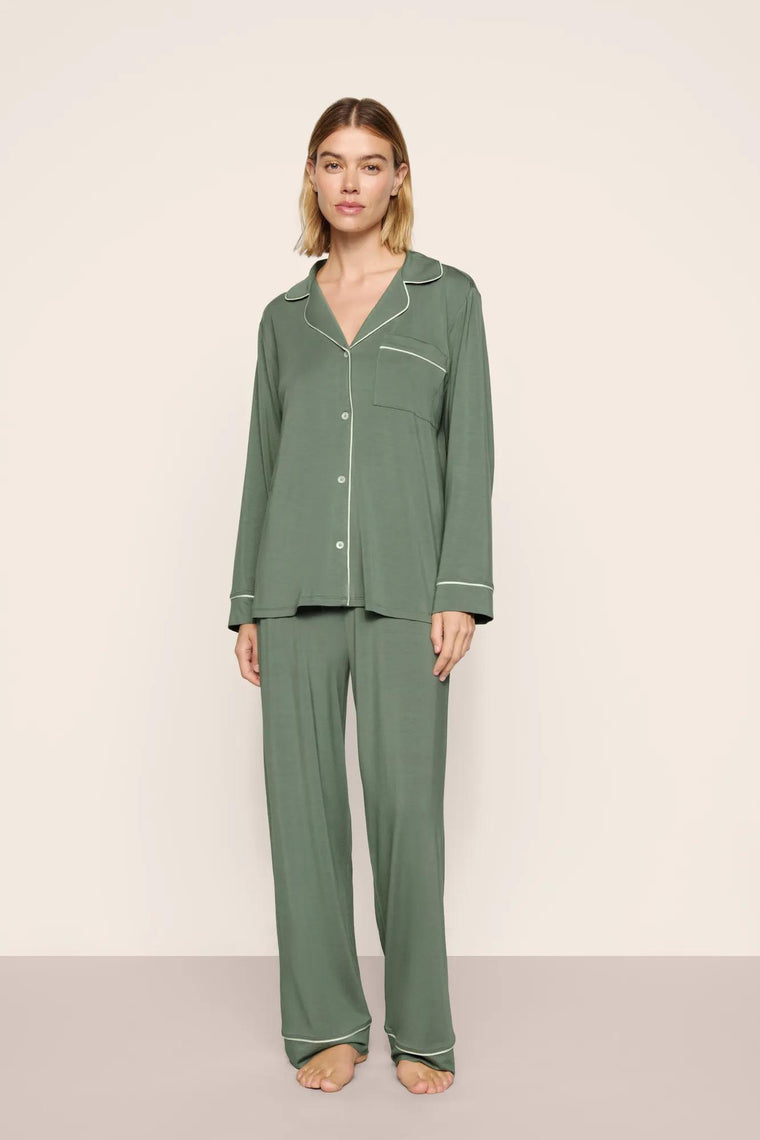
Desert sage and ivory. Full length for a cold room or a house where the thermostat is not yours to set.
Shop it
The slouchy set
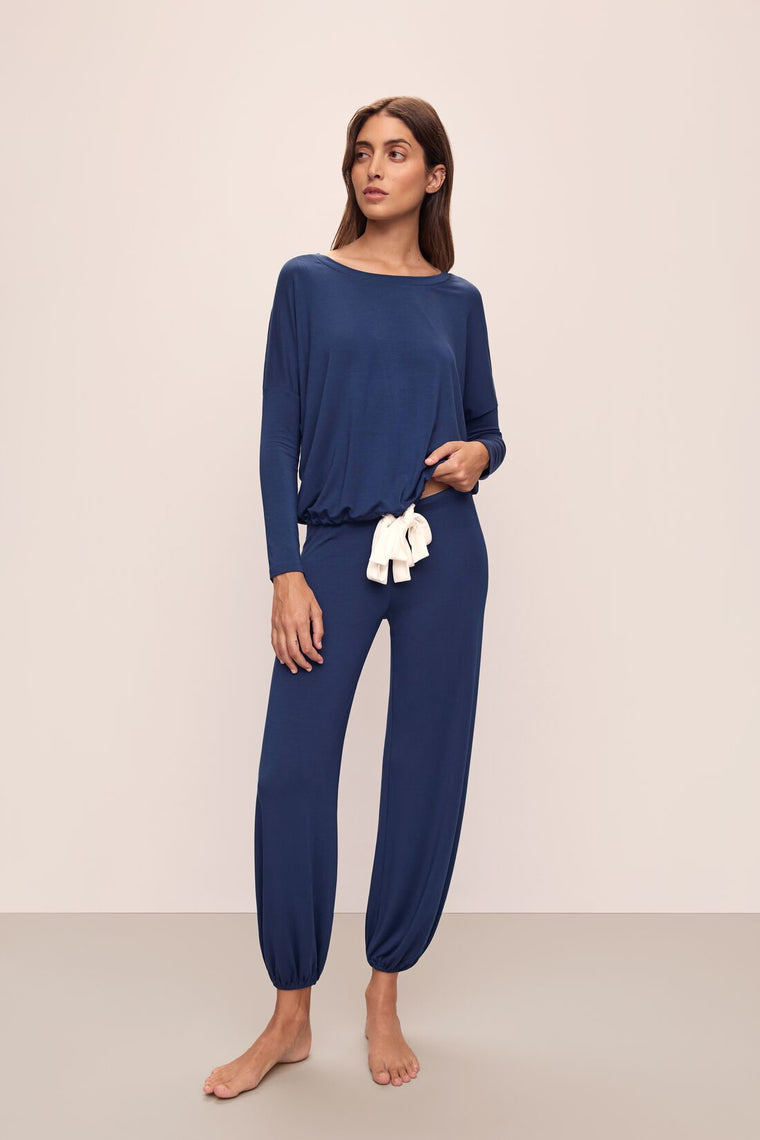
Navy and ivory. No buttons, nothing structured. This is the one for a sick day or a Sunday that never quite starts.
Shop it
The wrap set
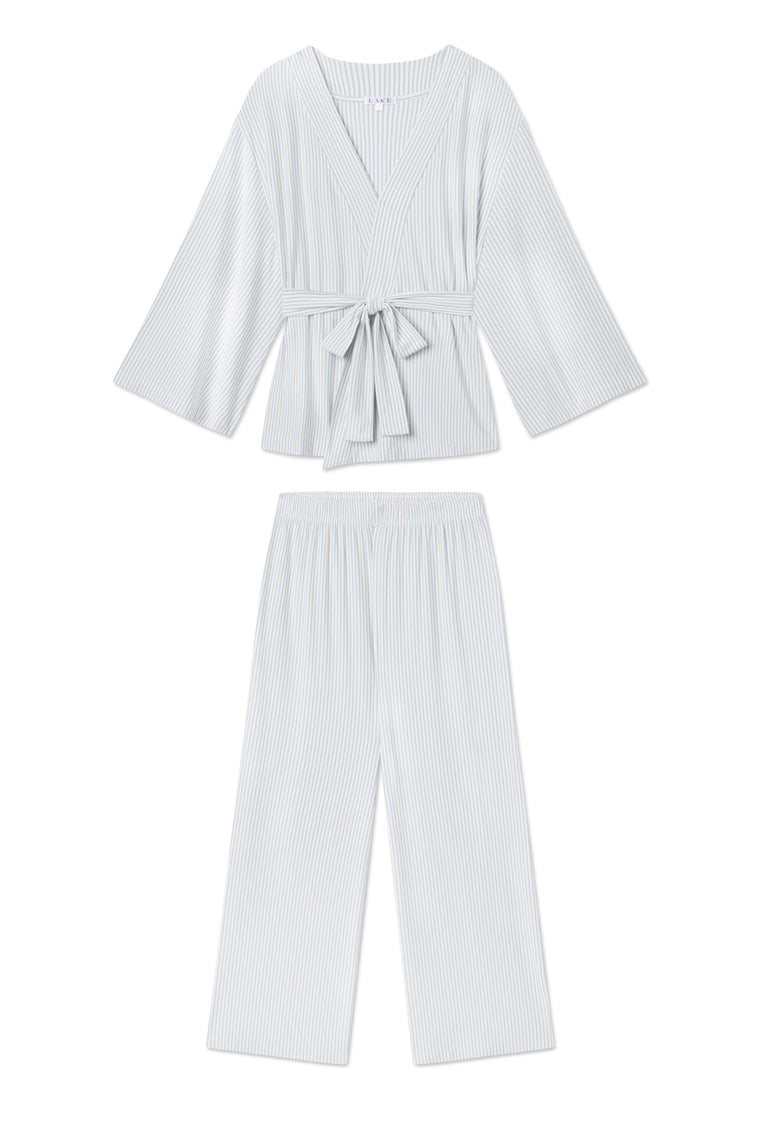
Fog. A wrap front instead of buttons, in their modal. Reaches for it on the nights getting dressed for bed feels like one task too many.
Shop it
The cotton set
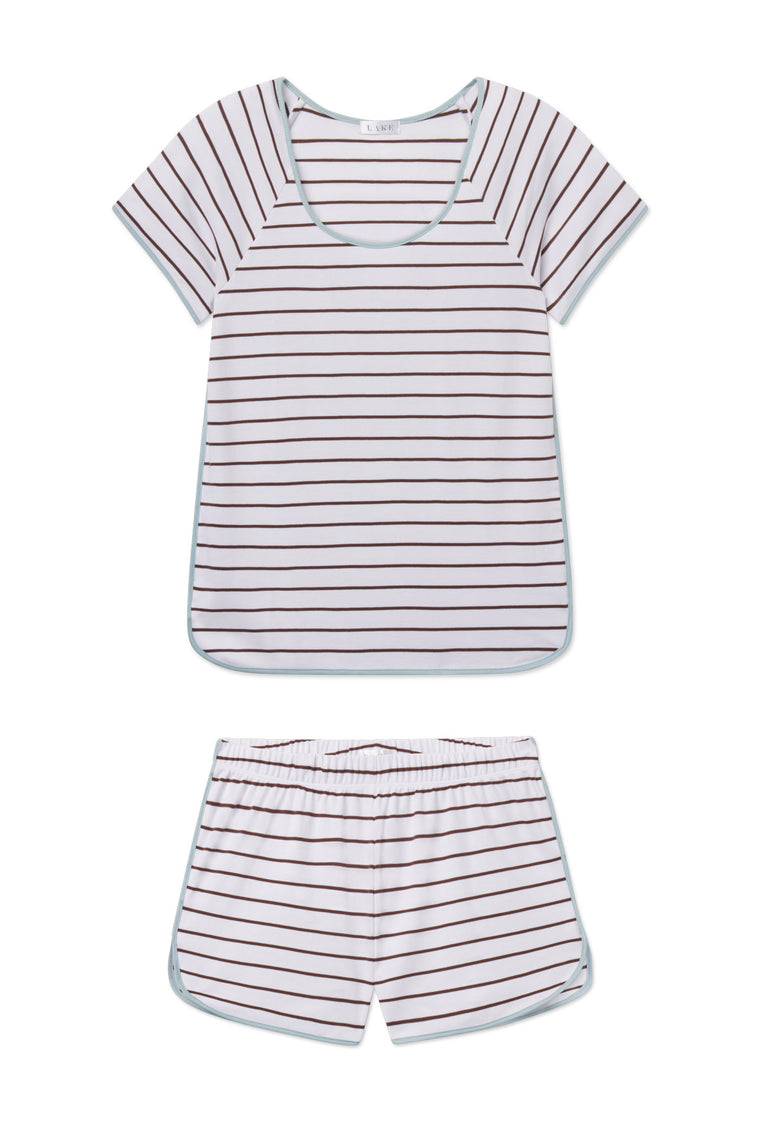
Cocoa club stripe, in pima cotton. Cotton rather than modal, for anyone who runs warm and wants something that breathes rather than drapes.
Shop itHow the pieces work
+
Pairing one
+
Pairing two
+
Pairing three
Step three
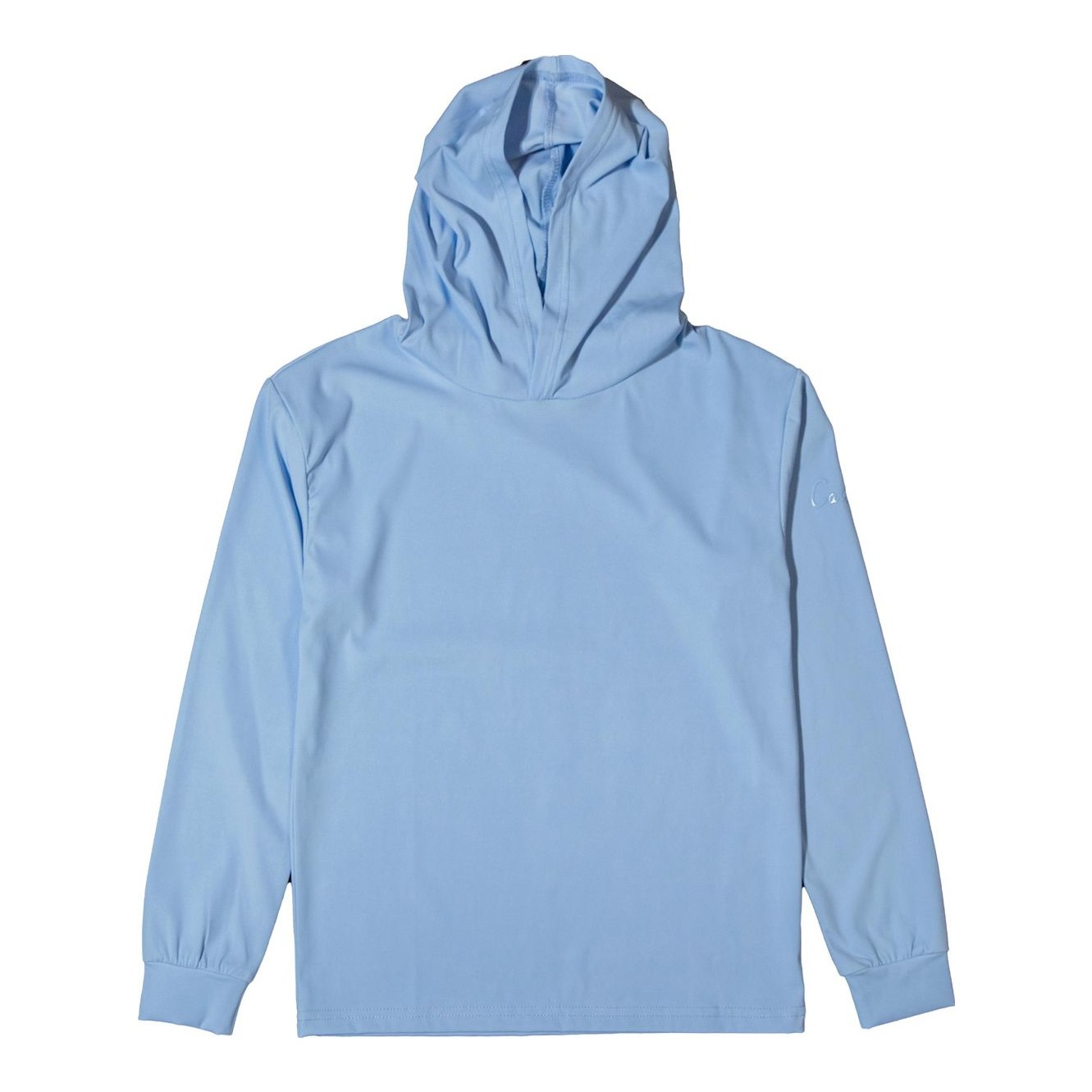
Sunscreen is the last line of defense, not the first. Fabric does not wear off at hour two, does not need reapplying, and does not depend on you using the right amount. Put cloth between you and the sun first, then use SPF for what the cloth does not reach.
The everyday layer
UPF 50+ means the fabric lets through about one fiftieth of the UV that reaches it. That rating does not wear off at hour two. Wet or stretched fabric protects less, so dry and loose beats soaked and tight.
$42
Shop the shirtStep four
Smooth fibers, no fragrance finishes, and nothing that traps heat. Overheating is one of the most reliable ways to make skin itch, which is why what you sleep in matters as much as what you put on. New clothes get washed before wearing, always.
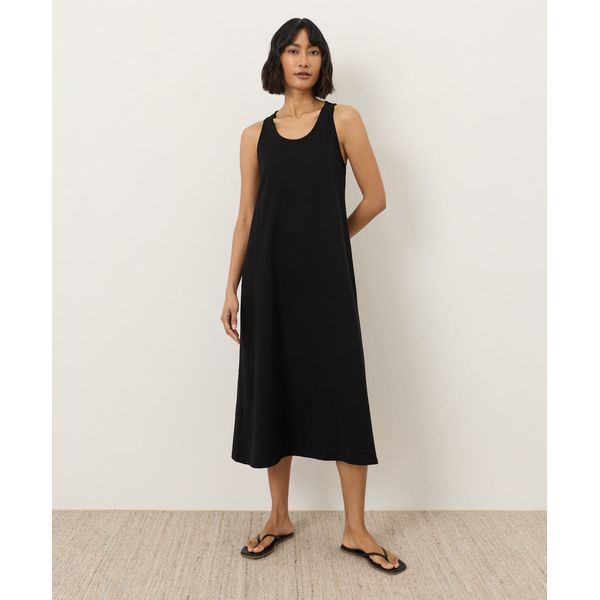
The everyday piece
Organic cotton with no wrinkle or stain resin finish. Those finishes are a common cause of reactions to brand new clothing and almost nobody suspects them.
Shop the dressWhat to sleep in
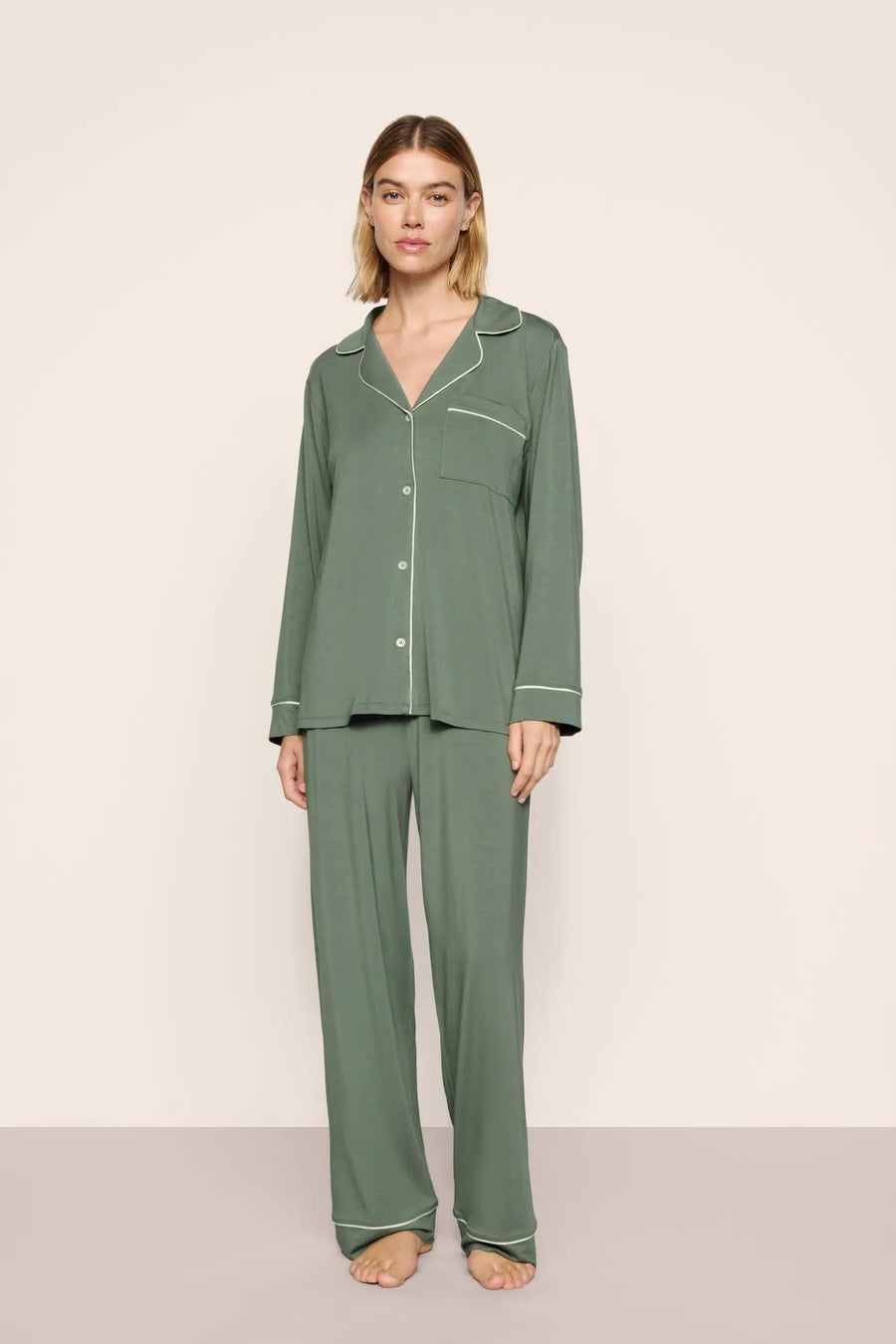
Modal is a fine, smooth fiber that moves heat away instead of holding it. If you wake up warm and itchy, this change does more than any cream will.
Shop the pajamasThe matching set
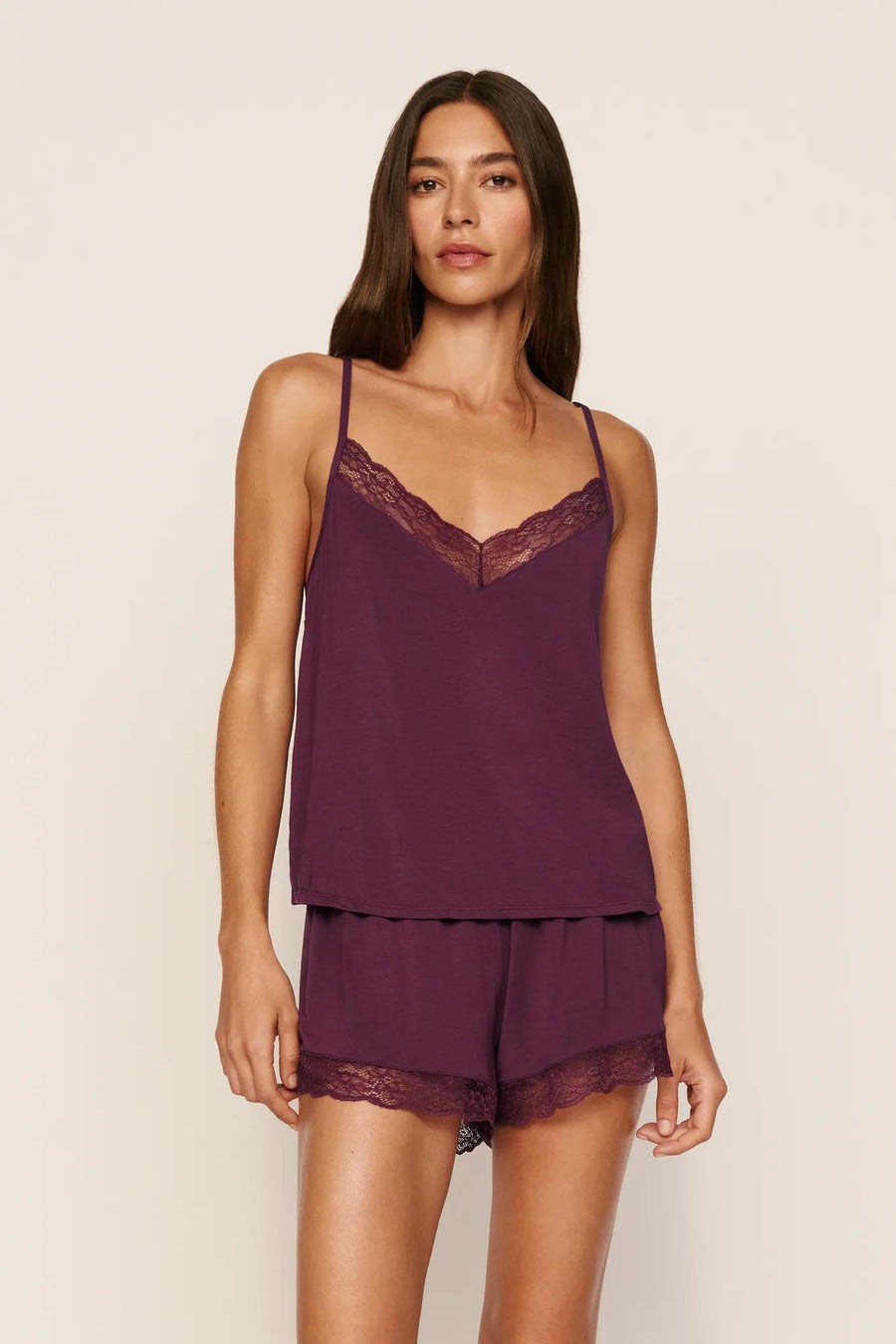
Same fiber, cut lower for warm sleepers. Lace trim, but the modal underneath is doing the actual work of keeping heat off inflamed skin.
Shop the setThe layering trick
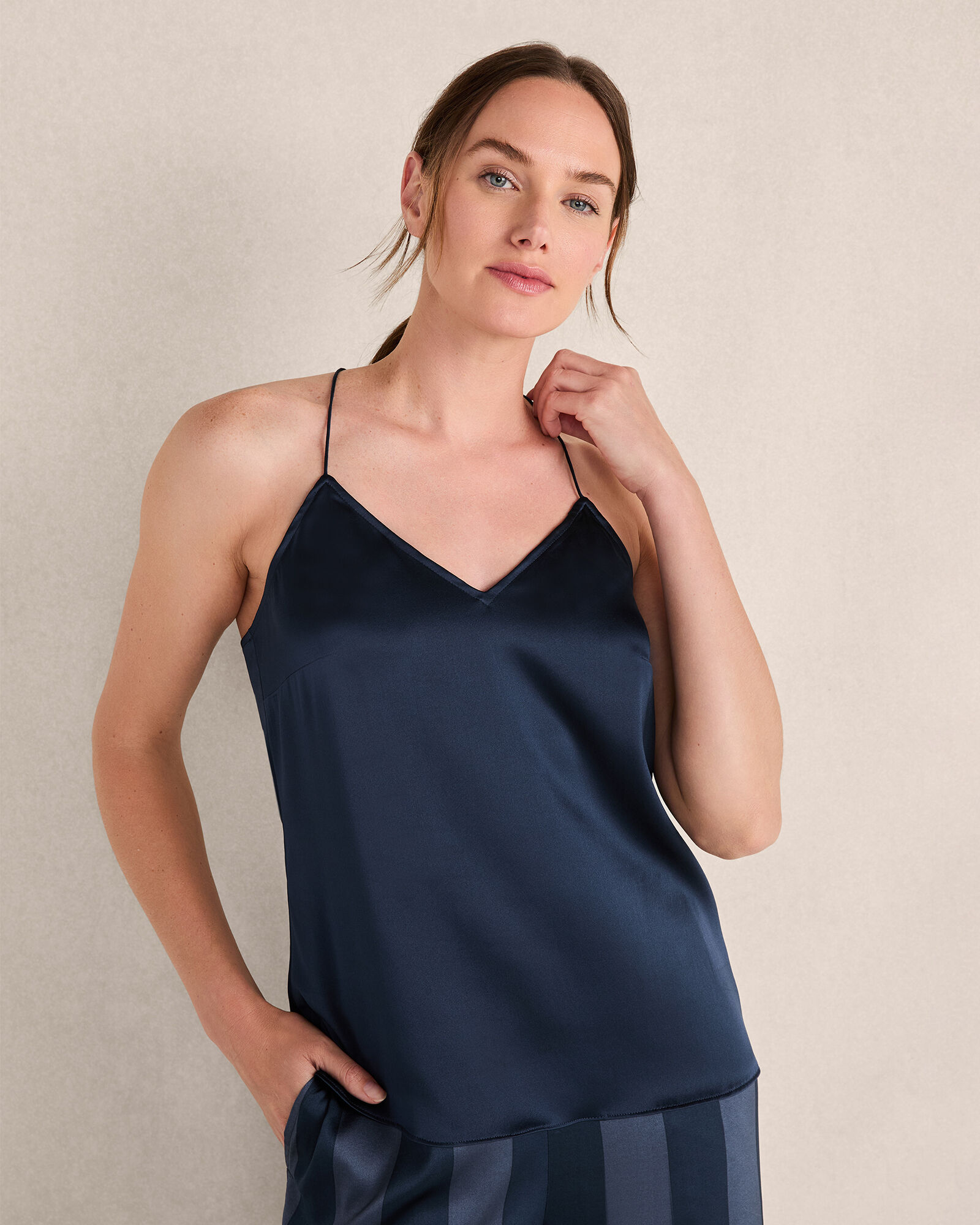
Silk is the smoothest fiber there is against inflamed skin, and this one washes. Wear it under a wool blazer and you get to keep the blazer.
Shop the camisoleStep five
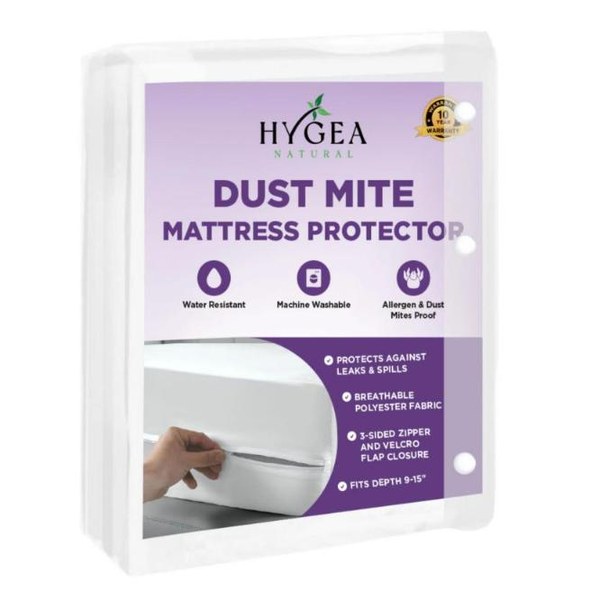
If you are allergic to dust mites, the mattress is the reservoir and everything else in the room is downstream of it. Start there, then upgrade what actually touches your skin. Every item here can be laundered.
The one that matters most
A zippered encasement puts a physical barrier between you and the reservoir in the mattress. For anyone with a dust mite allergy this is the highest-value item on the page.
Shop the protectorFor skin and hair
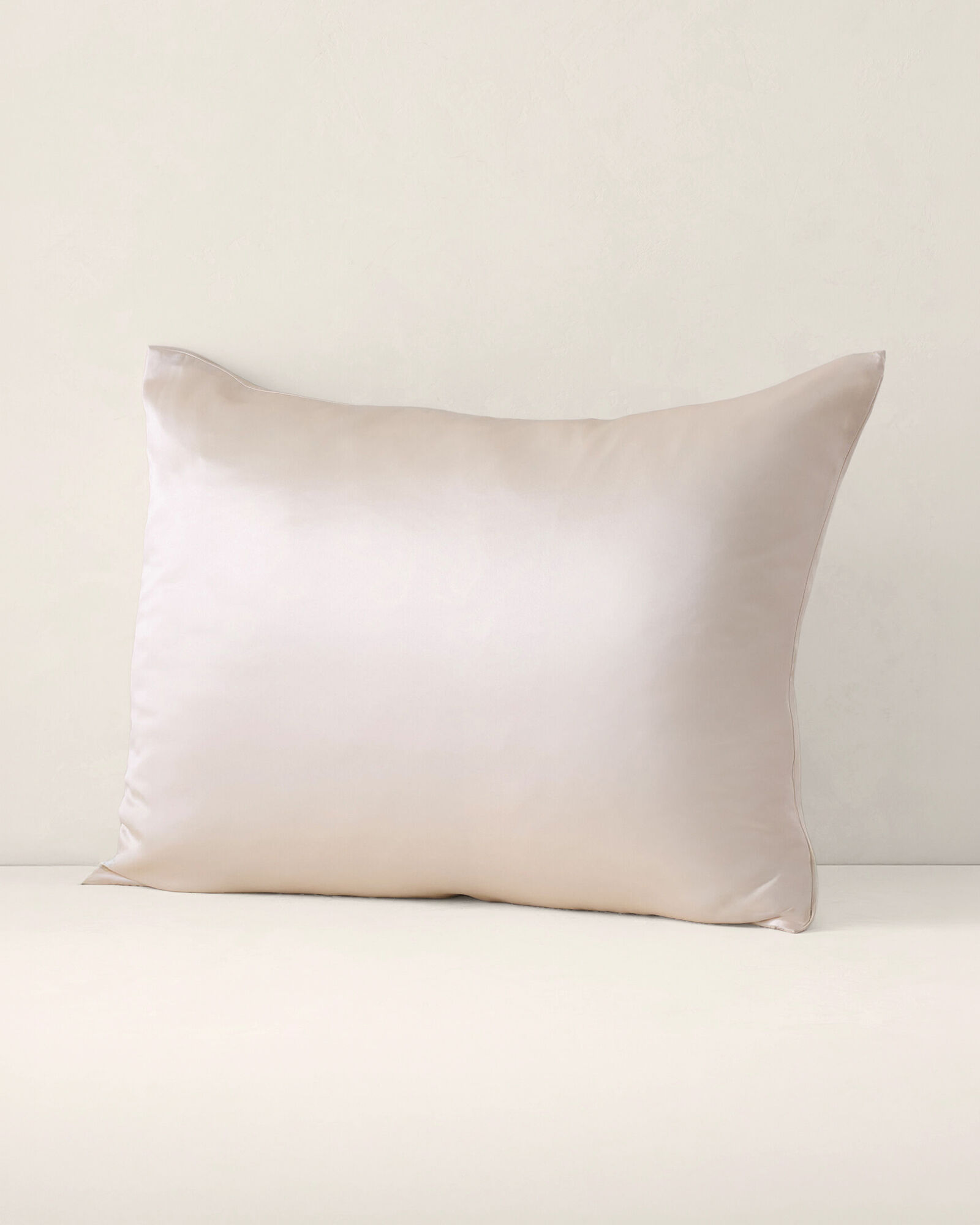
Most silk pillowcases ask you to hand wash, which means they never get washed. This one goes in the machine, and washability is the whole point.
Shop the pillowcase
The reliable swap
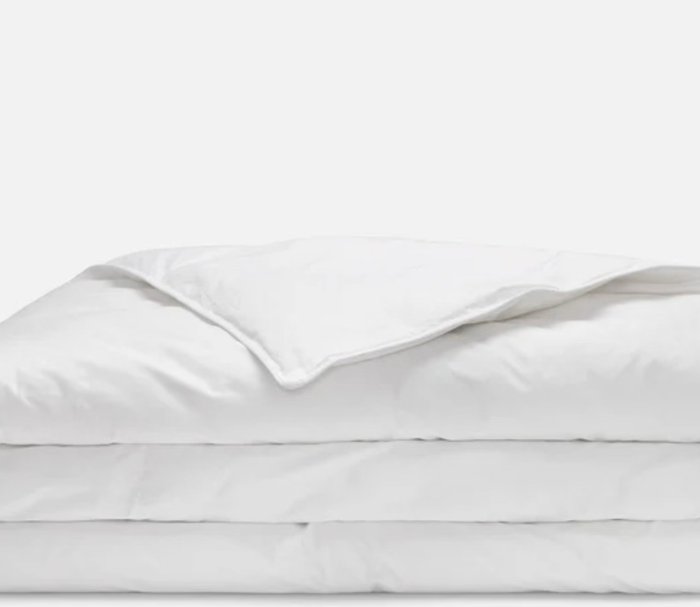
DOWNMARK certified to strip out dust and allergens before the fill ever reaches you, which is the actual claim behind "hypoallergenic," not just a word on a tag. Fully machine washable, no dry cleaner trip required.
Brooklinen's Labor Day sale is live now through September 9: 25 percent off sitewide, up to 50 percent off select bundles. Applies to anything from Brooklinen, not just the comforter.
Shop the comforter
The soft one
Sateen weave, which is the smooth, slightly cool one. Long-staple cotton sheds less lint than a short-staple sheet, and lint is one more thing settling in the bed.
Shop it
The cool one
Percale is the crisp, flat weave. It breathes better than sateen, which matters if you sleep hot or live somewhere the air conditioning is doing all the work.
Shop it
The one that gets better
Linen is the loosest weave of the three, so it moves the most air. It softens with every wash rather than wearing out, and it does not hold heat against you.
Shop it
The cover
A washable cover is what makes a comforter practical. The comforter goes in the wash a few times a year. The cover goes in as often as the sheets.
Shop it
The part touching your face
Your face is on this for seven hours. Buy the extra pair so a wash night never becomes a reason to skip changing them.
Shop it
The comfort layer
Organic cotton, padded, and machine washable. Worth being precise here: this protects the mattress and is gentle on sensitive skin, but it is not a sealed dust mite barrier. If allergy is the reason you are buying, the encasement above is the one that does that job.
Shop itStep six
The things around you all day matter more than the things you put on your face for ninety seconds. Air and humidity are the two levers that actually move the needle, and neither is expensive.
The air
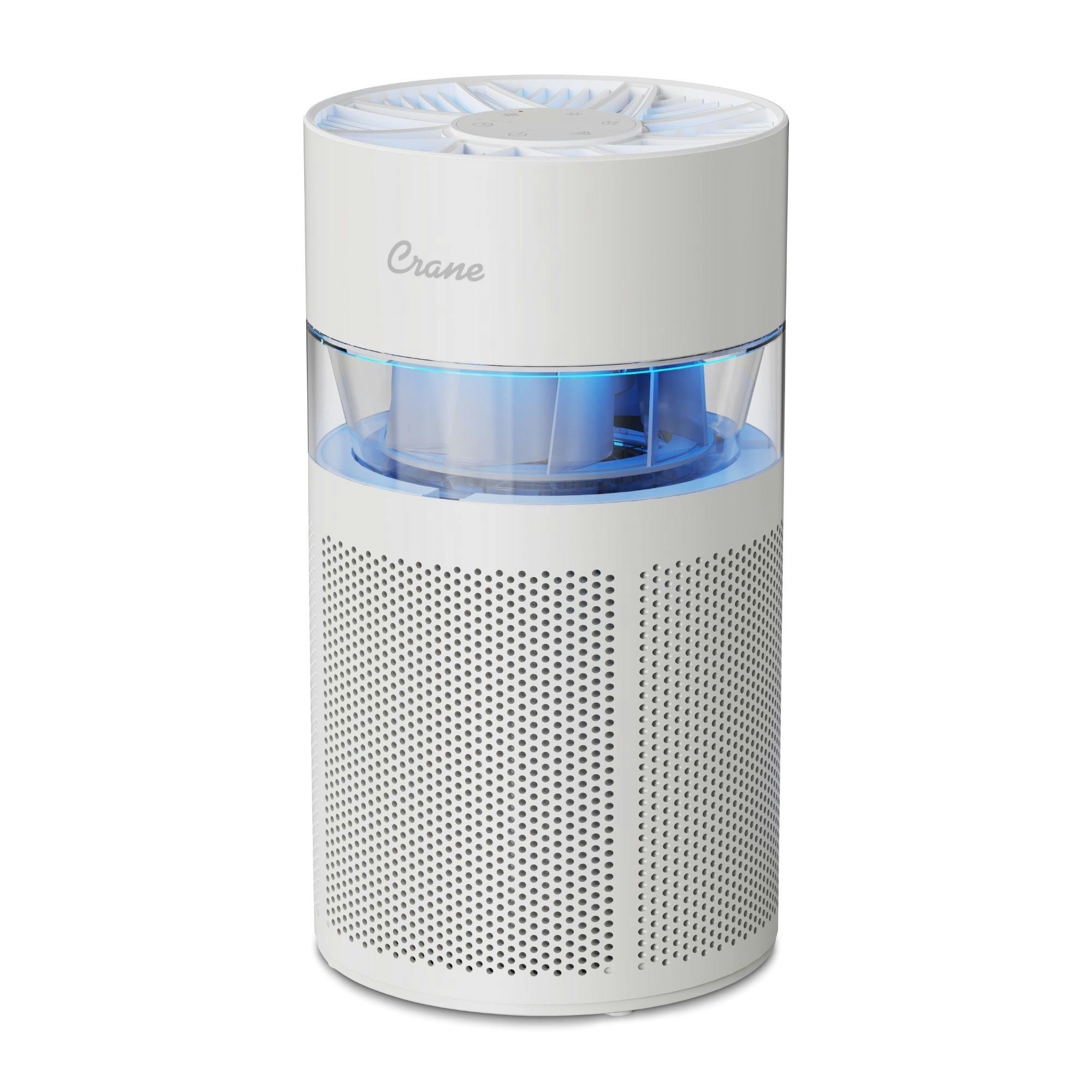
True HEPA, not HEPA-type. The second phrase has no standard behind it. Size the unit to the room and run it in the bedroom, where you spend the most consecutive hours.
Shop the purifierThe lever
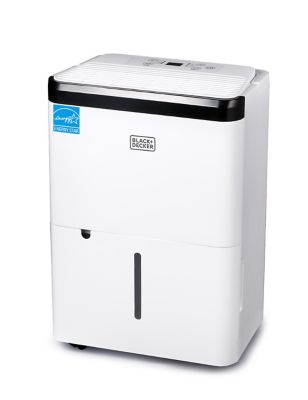
This is how you move that number, and in a humid climate it is the difference between the rest of this list working and not.
Shop the dehumidifierThe floors
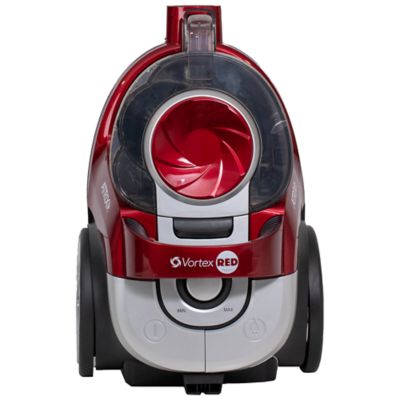
A vacuum without a sealed HEPA system pulls allergen off the floor and sprays the fine fraction back into the air you are standing in.
Shop the vacuumStep seven
Everything above is about lowering what your skin has to deal with. This section is the other half of the day. Fiber and fit still matter once you are dressed for the office, and the same rules apply: smooth fibers, nothing that traps heat, and new pieces washed before the first wear. What follows is the edit I keep coming back to.
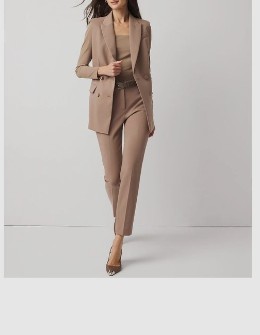
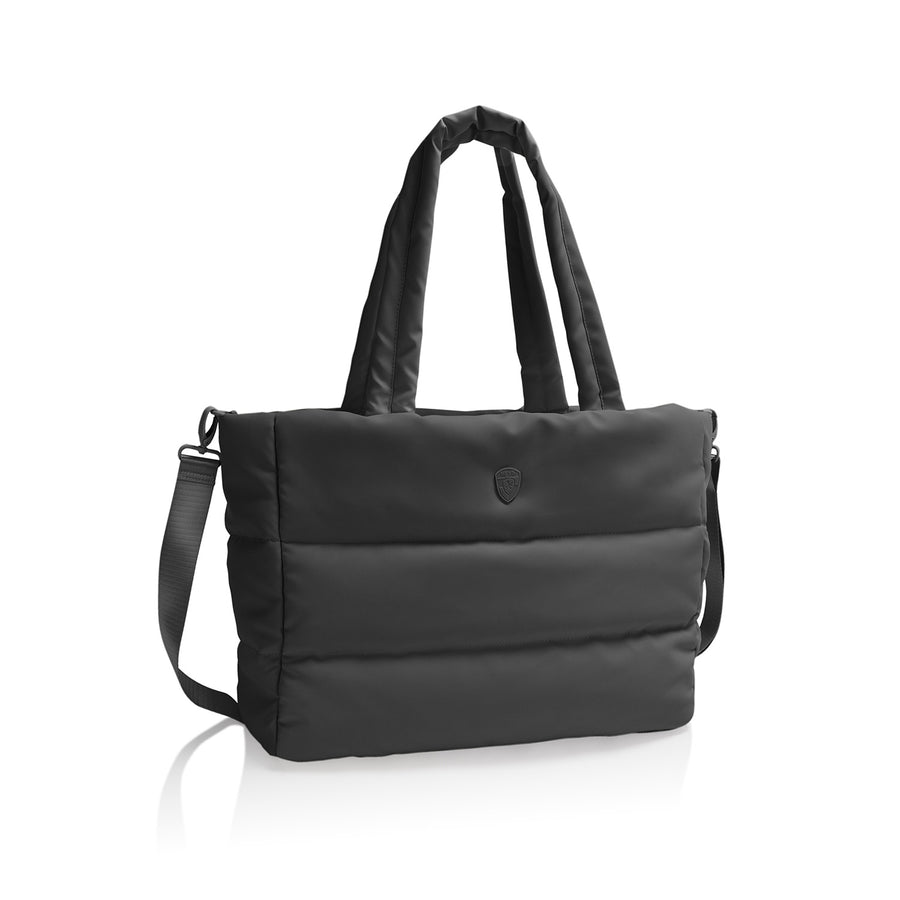
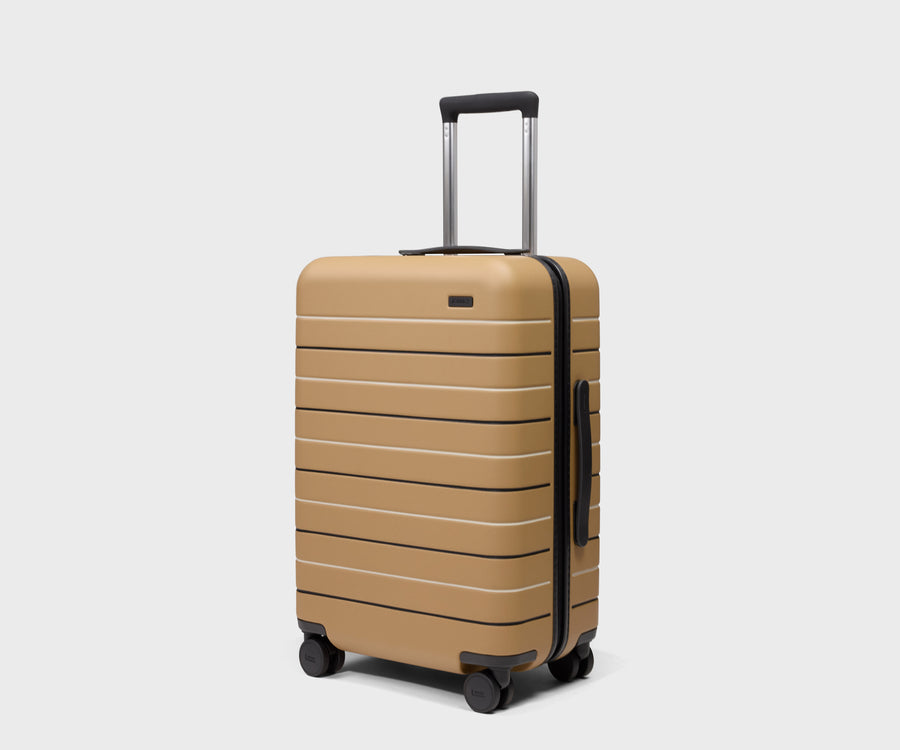
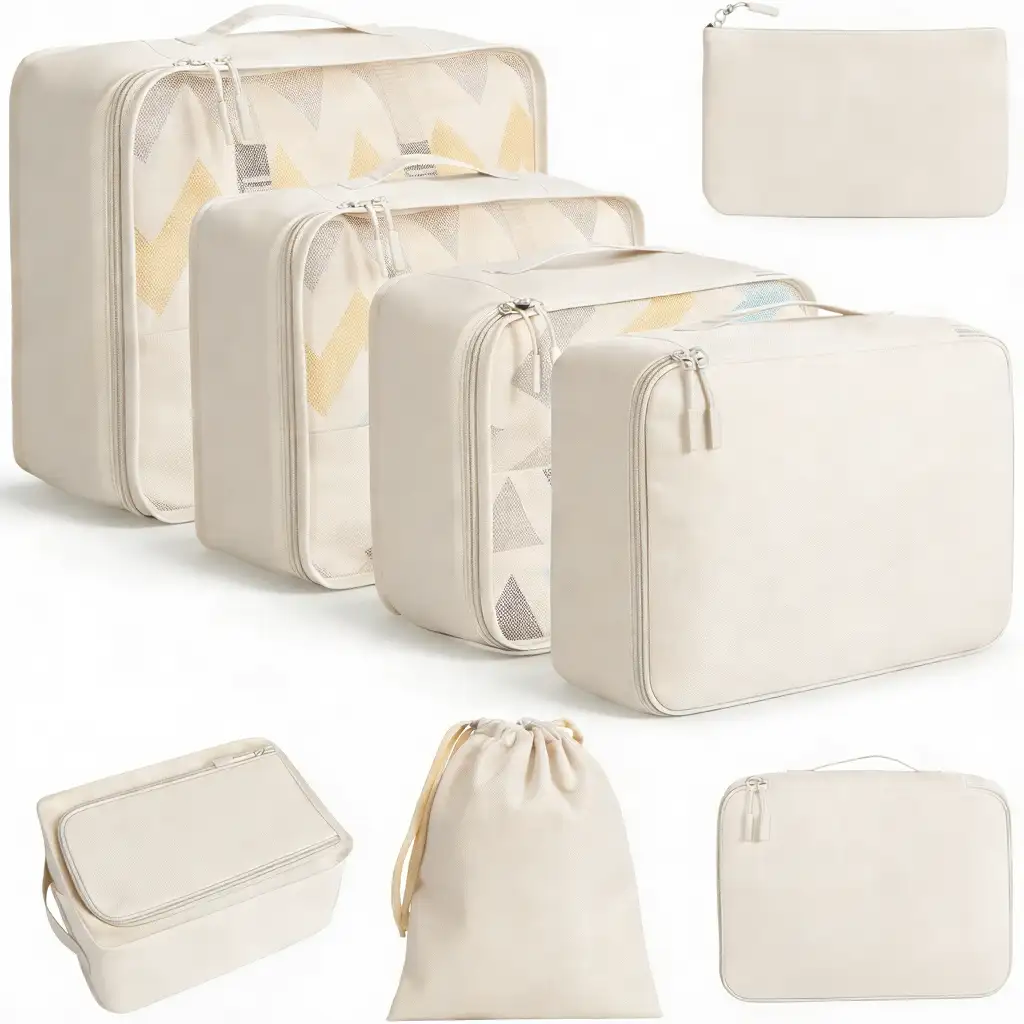
I built this edit around one problem: most professional wardrobes aren't built for the actual shape of a busy day. You need to be comfortable enough to stand through a full clinic day or a packed conference schedule, put-together enough for a meeting that lands with no notice, and ready to go straight to dinner without a wardrobe change. Every piece here does double duty, so a handful of items can pack down small and still take you from day to night. And everything stays in a neutral palette on purpose, so nothing here fights with what's already in your closet.
How the pieces work
+
+
Look one
+
+
Look two
+
Look three

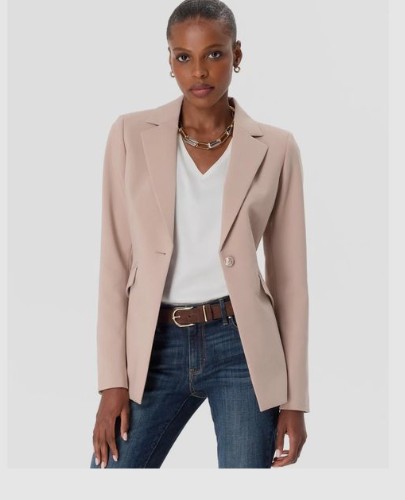
The power piece
Tailored without being stiff. This is the piece that turns a simple shirt and pant into a full look for a meeting or a courtroom appearance.
$210$157.50

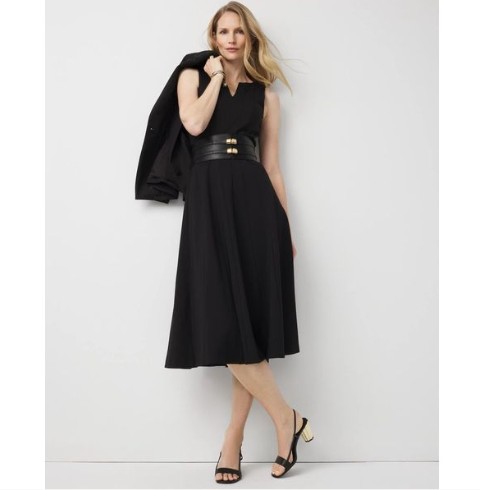
The day-to-night dress
Structured enough for the office, soft enough to wear all day. Add a layer for work, remove it for dinner.
$180$135

The weekend staple
A relaxed fit with a cuffed hem that still feels put together, my go-to for weekends and travel days.
$130$97.50

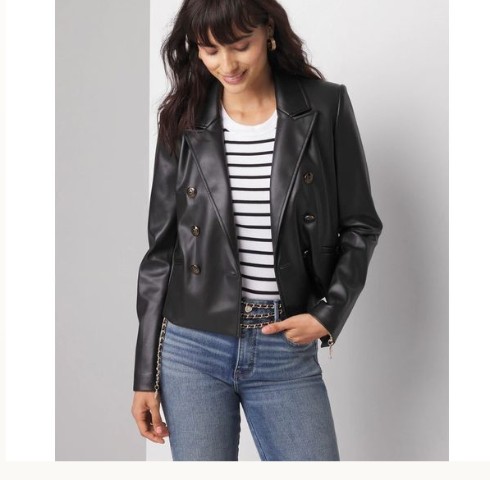
The evening layer
My favorite swap for the blazer once the day turns to dinner. Instant edge without trying too hard.
$200$150

The quiet workhorse
The base layer for nearly every look in this edit. Tucked and buttoned for work, undone a little for after hours.
$99$74.25

The everyday trouser
A high-rise, luxe stretch trouser that holds its shape through a long day and still feels comfortable by evening.
$120$90
Sources
I would rather you check me than take my word for it. Everything factual on this page traces to one of the following. Where a claim is a company describing itself, I have said so on the page and listed it separately below.
Regulatory and professional guidance
Peer-reviewed literature
Company statements, quoted as such
Some links on this page are affiliate links. If you make a purchase through one, I may earn a small commission at no extra cost to you. Nothing here is sponsored, no brand has paid to be included, and no company reviewed this page before it went up. These are products I recommend and use.
Travel and conference kits, what to pack when you cannot control the hotel soap, and the questions I get asked most in clinic.
Follow along on Instagram