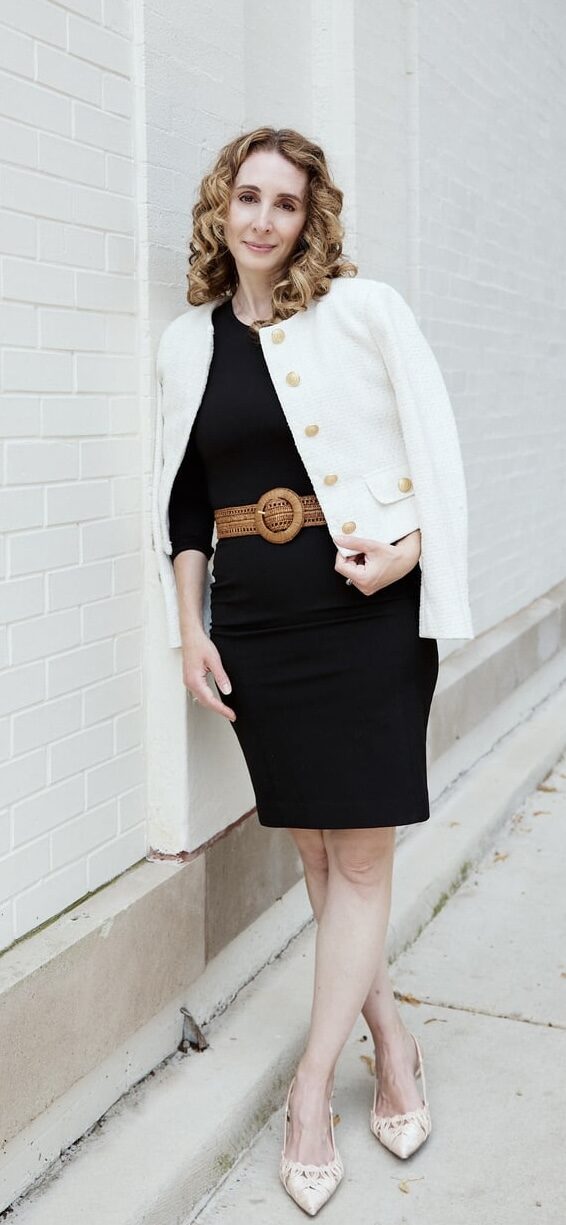
A first-hand account
How I made
the move
I left full-time allergy and immunology practice for medical education. I kept one day of clinic. I wrote the whole story on Substack, and these are the parts that matter most if you are standing where I was standing.
The restlessness
"I wasn't trying to run away from something. I was trying to run toward something. I just didn't know what it was yet."
I blamed the commute first. Three, sometimes four hours a day. I spent years looking for the adjustment that would make the restlessness go away, and none of them worked, because the restlessness was not about the drive.
The evidence was already there
"I left every teaching encounter feeling more energized than when I started. This was the opposite of what clinic had become. Clinic, with its repetitive rhythms and administrative weight, often left me drained. Teaching filled me up."
I noticed I missed it when it was not on my schedule. I volunteered for more of it. I still would not let myself read that as data, because I was a physician, and teaching was supposed to be the nice addition rather than the thing.
The warning you will also get
"If you leave clinical medicine, it will be hard to go back. You will lose your credibility as a physician if you are not practicing more than one day a week."
Some people encouraged me. Others said this. It is the sentence almost every physician hears at this fork, and it is worth separating what is true in it from what is simply how the people around you feel about losing you.
How the decision actually got made
"I could live with failure. I couldn't live with never knowing. The risk of trying was survivable. The certainty of regret was not."
I took the emotion out of the equation as far as I could and looked at the facts. I loved teaching. I loved medicine. I was stuck, unable to grow further as a physician in my current role. Then I asked which regret I could not live with, and the answer was immediate.
What it actually cost
"My patients were the ones cheering me on more than anyone else."
That is the part I had braced for and got wrong. Several of my patients came to my classes to tell students what the relationship looks like from the other side. The real loss was quieter: a community of colleagues at my old institution, and some relationships built on daily collaboration that faded once I was no longer in the building. That one is real, and it is the price of becoming something new.
Read the full essays: The Decision That Didn't Make Sense and What I Lost (And What I Found Instead) on Permission to Change.