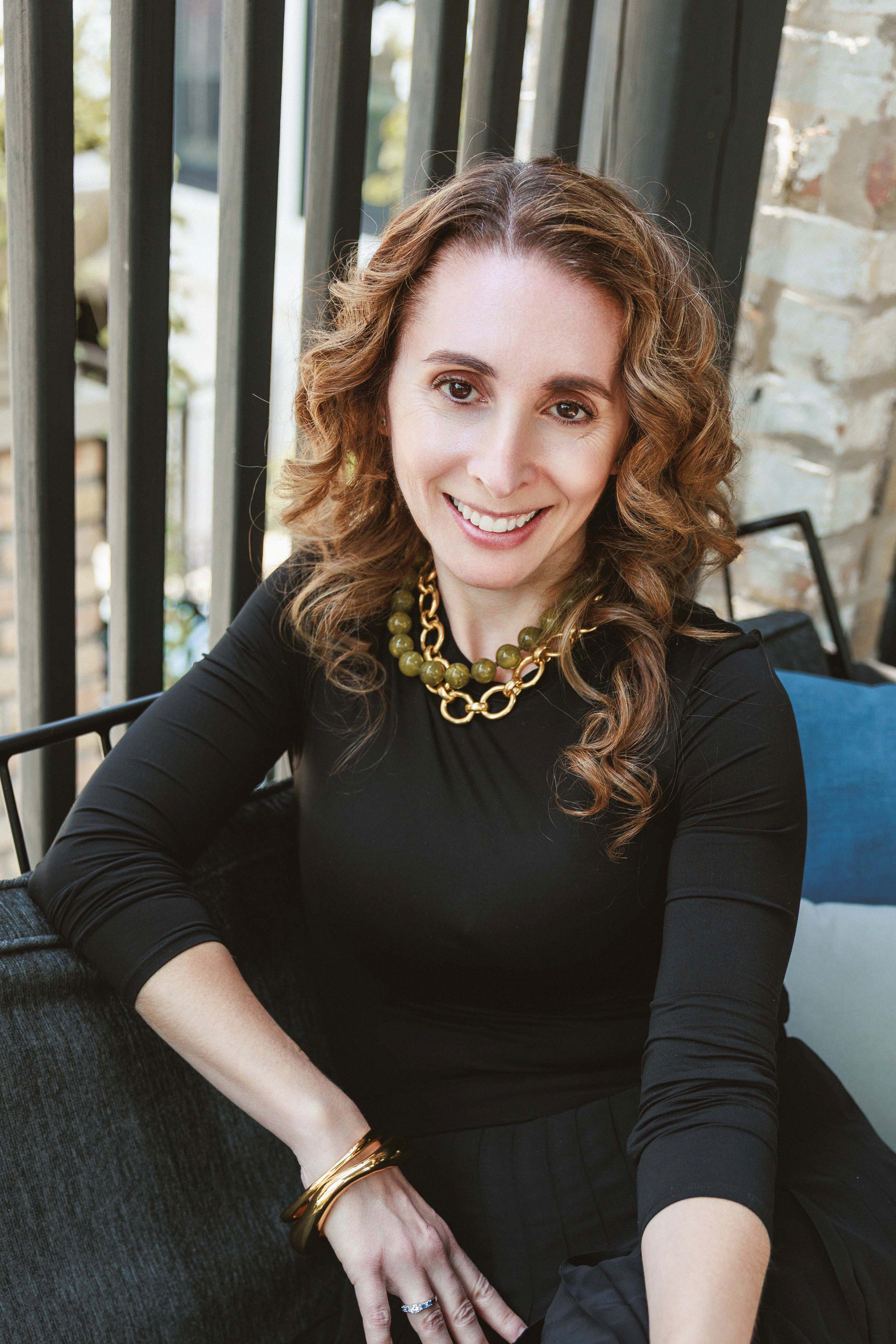
Before I was a coach, I was an allergist. I still am. I fell for allergy as a summer research student at Children’s Hospital Cincinnati, watching how much the kids in clinic suffered. Years later I found I loved teaching as much as my own clinic, and I made a change.
And I keep noticing that the myths I correct as an allergist look a lot like the ones I hear as a coach.
This week, three of them. Each one has a bedroom version that can save you money. Each one has a life version that can save you a lot more.
Three myths
Myth 1: “If it's worn out, replace the whole thing”
In your bedroom
You have seen the ads. Your mattress is full of dust mites, so replace it every 7 to 10 years. That rule has been promoted for years by the mattress industry's own trade group. It sells a lot of mattresses.
For dust mites, there is a much cheaper answer. A zippered encasement. A fitted cover leaves the bottom open. A zippered one seals all six sides. The mites already inside are trapped. They can't reach you. New mites and bed bugs stay out.
A $2,000 mattress on an 8-year cycle costs you $250 a year. A good encasement often costs less than $100, once. If your mattress is still comfortable, keep it.
In your life
The same reflex shows up when work starts to feel wrong. Quit. Start over. Replace the whole thing.
When I moved from clinic to teaching, my one hesitation was leaving the thing I had always thought I was supposed to do for the thing I discovered was missing. What I didn’t realize right away was that my teaching makes me a better clinician (still one day a week 🥰), and that my clinical work would make me a better teacher. Neither could be what they are now on their own, and neither could continue to grow without the other.
Here is the myth: to make a change in our life, we have to completely start over. That's not necessarily the right answer. Much of what we learned along the way can and should be brought with us when we make a change. It is what makes the new path even better and stronger than if we hadn't lived through everything else first.
Protect what still works before you pay to replace it.
Ask yourself: What have I learned along the way that I want to bring with me?
Read: The allergist's bedroom checklist
Myth 2: “The label tells you what's inside”
In your bathroom
In the United States, the word hypoallergenic has no legal definition. The FDA says it means whatever a company wants it to mean. No test. No proof.
When researchers checked 187 children's products labeled hypoallergenic, fragrance free or dermatologist tested, 89 percent contained a known allergen. Skip the word on the front. Look for fragrance free, then read the list on the back.
In your life
We wear labels too. Successful. Reliable. The one who always says yes. A title or a role can sound reassuring from the outside. It tells you nothing about what is actually in your day, or whether it agrees with you.
Read the list, not the label. Look at where your hours really go.
Ask yourself: If I read the ingredient list of my week, what would surprise me?
Read: Does hypoallergenic mean allergy free?
Myth 3: “One big purchase will fix it”
In your home
An air purifier won't fix a dust mite allergy on its own. Mite allergen rides on heavy particles that settle within minutes. It lives in your bedding, carpet and couch, not in the air.
What works is the boring stuff, done together. Encase the bed. Wash bedding weekly in water at least 130 degrees. Keep humidity under 50 percent. Vacuum with a sealed HEPA vacuum. A purifier is still worth having for pets or pollen. Just don't let it be the only thing you buy.
In your life
The life version is the big fix. The vacation. The retreat. The new planner. The new job. Each one can help. None of them works alone.
The change that lasts is usually small, repeated and a little boring. A few habits, done in order, for long enough to notice.
Ask yourself: What small thing could I do every week instead of waiting for the big fix?
What to do with it
Pick one myth. The one you have already spent money, or years, on.
Make one change in each version this week.
Zip the mattress, and protect one evening.
Swap one scented product, and drop one thing you only do because of a label.
Wash the sheets hot on Sunday, and pick one small habit to repeat.
Try it for two weeks and notice how you sleep.
The coach's view
Every one of these myths sells the same thing. A rule you don't have to examine. Replace it on schedule. Trust the word on the front. Buy the big fix.
Rules like that save us time. They also cost us money, sleep and sometimes years. The fix is rarely dramatic. It is noticing the rule, checking it, and deciding whether it still fits.
This week's question: What rule are you following that nobody ever made you check?
Worth your time
01 · Listen
House Dust Mite Allergy Explained: Symptoms, Triggers, and Practical Solutions
Hope & Histamine: The Paediatric Allergy Podcast. A clear, 34-minute walk through where dust mites live, how they drive year-round symptoms, eczema and asthma, how the allergy is diagnosed, and what actually reduces exposure at home.
My take: The podcast is very informative, created through Google notebook, appears to be based on three cited articles.
Listen to the episode02 · Read
"Hypoallergenic" and "Fragrance-Free" Moisturizer Claims Are Often False
NPR, on a JAMA Dermatology study of the 100 best-selling moisturizers. 83 percent of those labeled hypoallergenic contained a potential allergen, and "dermatologist recommended" turned out to mean very little.
My take: It is important to be educated on what companies are required to disclose in their products, and how labels can be misleading. This could potentially make a big difference in finding the right product for you and your family.
Read the articleNew on the site
Dust Mite Allergy Relief: An Allergist's Bedroom Checklist. The five steps, in order, plus the math on the mattress myth. Read the checklist.
Does Hypoallergenic Mean Allergy Free? The label decoder, and the two words to look for instead. Read the guide.
The allergist's edit
Everything I would actually buy to make these changes.
These are affiliate links. I may earn a commission, at no cost to you. More picks on my recommendations page.
P.S. I saw the Broadway play “Buena Vista Social Club” this week with a friend who also loves Broadway. It was more than I expected it to be. Aside from being a beautiful artistic display of Cuban music, dance, costume and culture, it shares the story of two sisters; how their dreams, passions and love paved the way for each of their lives and how powerful both choices and nostalgia can be.
If you are ready to make room for something bigger, your first coaching session is free.
Go deeper: How to build a habit that sticks. Browse every Make Room guide. This letter is also on Substack: read it on Permission to Change.